 admin
admin
William McNamara is an American actor, producer, and director whose career has stretched across film and television for several decades. Born William West McNamara on March 31, 1965, in Dallas, Texas, he became recognized for performances in movies such as Stealing Home, Dream a Little Dream, Surviving the Game, Chasers, and Copycat. His career later expanded beyond conventional acting, with animal-rights activism becoming an important part of his life. His journey from a promising young performer to an experienced actor and passionate activist offers an interesting look at the changing nature of a Hollywood career.
| Quick Bio | Details |
|---|---|
| Full Name | William West McNamara |
| Known As | Billy McNamara |
| Birth Date | March 31, 1965 |
| Birthplace | Dallas, Texas, USA |
| Profession | Actor, Producer, Director |
| Education | Columbia University; Lee Strasberg Theatre and Film Institute |
| Active Years | 1987–present |
| Best Known For | Stealing Home, Copycat, Surviving the Game, Chasers |
| Height | 5 feet 10 inches |
| Major Interest | Animal-rights activism |
| Acting Training | Lee Strasberg Institute and other acting teachers |
Early Life and Family Background
William McNamara was born into a family with professional and creative influences. His father worked as a professional race car driver for Ford Motor Company, while his mother was an interior designer. These contrasting backgrounds gave him exposure to both competitive and artistic environments. He later grew up in New York and developed an early interest in performance. According to biographical sources, his family even sent him to boarding school partly because they hoped to discourage his interest in acting. Instead, the experience strengthened his determination to pursue entertainment.
Education and Acting Training
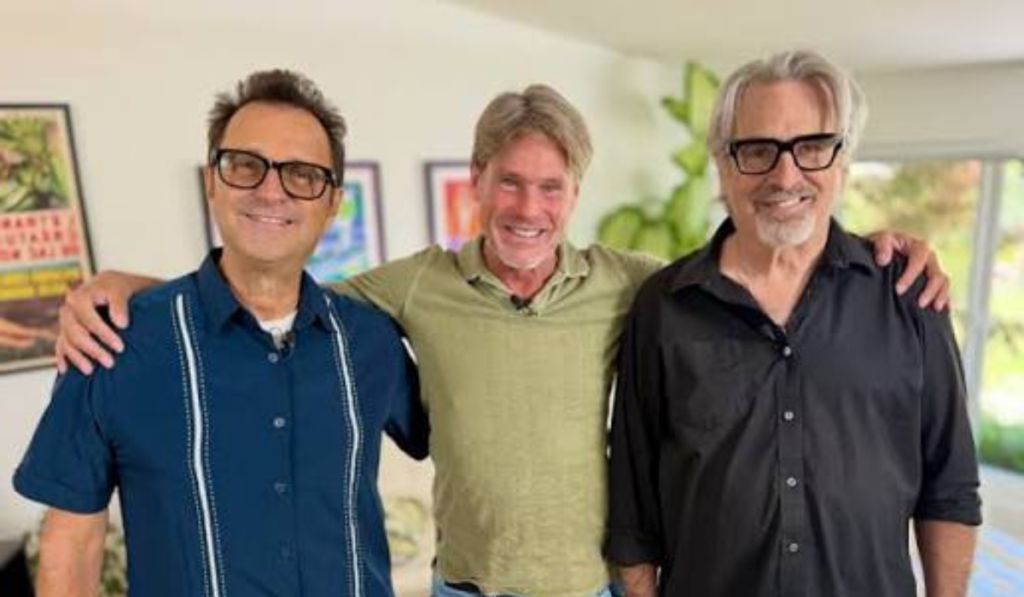
Education played an important role in preparing him for a professional career. He attended Columbia University and later studied at the Lee Strasberg Theatre and Film Institute. William McNamara training also included work with respected acting teachers such as Kim Stanley and Harold Guskin. Before becoming widely recognized on screen, he gained experience through theater-related opportunities and spent summers connected with the Williamstown Theatre Festival. This combination of academic education, theater exposure, and intensive acting study helped establish the disciplined foundation that would shape his performances during the following decades.
First Steps Into Acting
The professional journey began during the late 1980s, when he appeared in projects that introduced him to film audiences. His early credits included Opera and The Beat, followed by a role in Stealing Home. These appearances helped him transition from training into professional screen work. Rather than becoming famous overnight, he built his reputation through a steady series of supporting and leading performances. His early work demonstrated a natural screen presence that suited youthful dramatic characters, allowing him to establish himself during a period when Hollywood was producing many character-driven films for younger audiences.
Breakthrough With Stealing Home
One of the early highlights of his career came with Stealing Home, a 1988 drama starring Mark Harmon and Jodie Foster. He portrayed the teenage version of Billy Wyatt, giving him an opportunity to appear alongside established performers. The film helped increase his visibility and became an important early credit in his filmography. His youthful appearance and dramatic style fit the character well, and the role helped demonstrate that he could handle emotionally focused material. The movie remains one of the projects most frequently associated with his early career.
Dream a Little Dream Role
In 1989, he appeared in Dream a Little Dream, a teen-oriented fantasy comedy featuring Corey Feldman and Corey Haim. He played Joel, adding another recognizable title to his growing résumé. The project connected him with the youth-film culture that was popular during the late 1980s. Although his later work would become broader in genre, this period helped establish him as a familiar young actor. The combination of drama, romance, and youthful storytelling in his early films gave him opportunities to explore different emotional registers while continuing to build professional experience.
Stella and Texasville of William McNamara
The following period brought additional opportunities in major productions. He appeared in Stella, the 1990 drama associated with Bette Midler, and also appeared in Texasville, the sequel to The Last Picture Show. These projects placed him among experienced actors and filmmakers while allowing him to develop a more mature screen identity. William McNamara performances during this period showed that he was moving beyond purely youthful roles. Working across different dramatic environments helped him develop versatility, which became especially valuable as his career entered the more demanding film and television work of the 1990s.
Surviving the Game
A notable 1994 performance came in Surviving the Game, an action thriller directed by Ernest R. Dickerson. He played Derek Wolfe Jr., appearing alongside actors including Rutger Hauer, Gary Busey, and F. Murray Abraham. The film offered a very different challenge from the romantic and coming-of-age projects associated with his earlier work. Its intense storyline required a stronger physical and dramatic presence. The role helped demonstrate his ability to operate within action-oriented material while sharing the screen with veteran performers. It remains one of the more recognizable entries in his 1990s filmography.
Chasers and Dennis Hopper
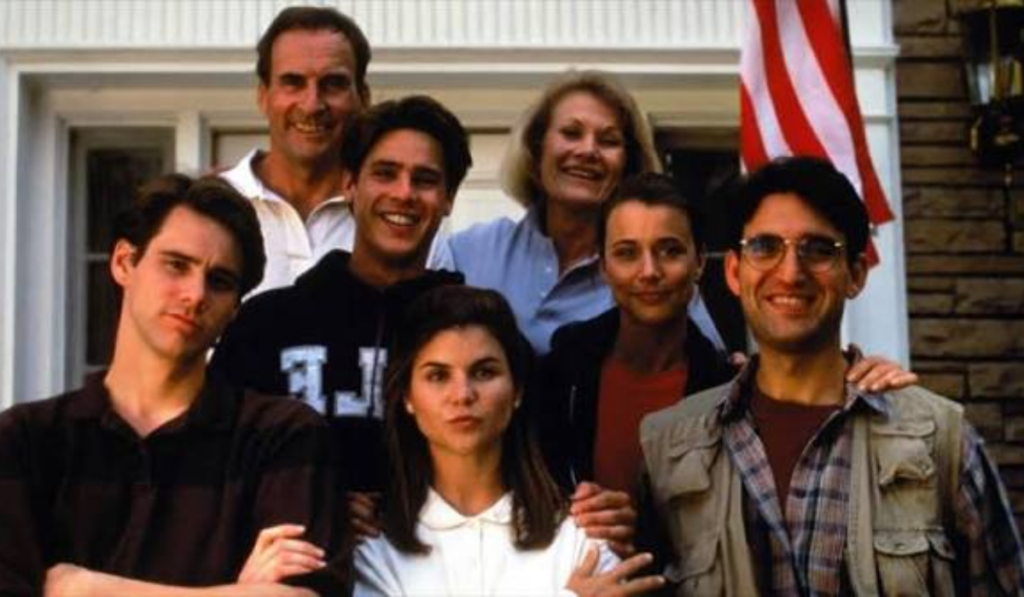
He also appeared in Chasers, a 1994 military comedy directed by Dennis Hopper. The movie featured Tom Berenger, Erika Eleniak, and Gary Busey, giving the actor another opportunity to work with an established ensemble. Moving between action, comedy, and drama became an important feature of his career. Rather than limiting himself to one genre, he continued accepting different kinds of characters. This variety helped him maintain a substantial screen presence during the 1990s, when he appeared in theatrical films, television productions, and projects made for smaller or specialized audiences.
Copycat and a Darker Performance
One of his most memorable performances arrived in Copycat, the 1995 psychological thriller starring Sigourney Weaver and Holly Hunter. He portrayed Peter Foley, a disturbing character connected to the movie’s central criminal storyline. The role represented a significant departure from the youthful characters of his earliest films. According to biographical information, he prepared extensively for the part and spent time with forensic psychiatrist Dr. Park Dietz. He also performed his own stunts for the production. The demanding role demonstrated his willingness to explore darker material and helped make the film a major part of his professional legacy.
Television Career
Television became another major part of his professional résumé. William McNamara credits include appearances in programs and television movies such as Doing Time on Maple Drive, NYPD Blue, and Law & Order: Special Victims Unit. He also had a regular role on the Showtime series Beggars and Choosers. Television offered him opportunities to explore characters over longer storylines and to work in different production formats. William McNamara television career illustrates how he maintained a broad professional presence rather than depending exclusively on theatrical releases.
Wildflower and Award Recognition
The television movie Wildflower became another meaningful entry in his career. William McNamara performance earned a CableACE Award nomination in 1993 for actor in a movie or miniseries. Recognition from the CableACE Awards reflected the growing importance of television productions during that era. His career later included additional festival and independent-film recognition. TV Guide lists several awards and honors connected with projects released in later years, showing that his professional work continued to receive attention beyond the peak period of his 1990s movie career.
Other Notable Movie Projects of William McNamara
William McNamara filmography continued to expand with titles including Radio Inside, Girl in the Cadillac, Dead Girl, Natural Enemy, Stag, The Deli, Glam, Sweet Jane, The Brylcreem Boys, and Ringmaster. These productions covered a wide range of genres and budgets. His willingness to appear in independent films as well as more widely distributed projects helped keep his career active. The variety of credits also demonstrates that his professional identity was never restricted to a single type of character, allowing him to work across dramas, thrillers, comedies, and other formats.
Work in the 2000s
The 2000s brought another phase of screen work. He appeared in productions such as Knockout, The Bleeding, April Moon, and A Dance for Bethany. Some of these projects reached smaller audiences compared with his best-known 1990s movies, but they reflected his continued commitment to acting. William McNamara career demonstrates how performers can maintain professional momentum through independent productions and television films even when they are no longer appearing regularly in major studio releases. This period also coincided with growing involvement in causes that would eventually become central to his public identity.
Later Film and Television Appearances
His later credits include projects such as Rottentail, Last Man Club, Beyond the Farthest Star, Star Paws, The Wrong Student, The Wrong Tutor, The Wrong Stepfather, Blowback, Dead Man’s Hand, and Gunslingers. Current filmography listings also include additional projects at different stages of production. These credits show that he has continued returning to screen work after his most visible period in the 1990s. His later career combines independent movies, television productions, voice work, and character appearances, giving his filmography considerable breadth.
Animal Rights Activism
Animal welfare eventually became one of the defining aspects of his life outside acting. He became involved in animal rescue and animal-rights advocacy, including campaigns concerning dolphins and exotic animals. His activism took him to different parts of the world and placed him in situations far removed from conventional Hollywood work. His involvement with organizations and documentary projects reflected a personal commitment to animal protection. This transition is particularly notable because it demonstrates how his public life expanded from entertainment into activism, with animals becoming a central focus of his time, energy, and resources.
Connection With Animal Documentaries
William McNamara activism also connected him with documentary filmmaking. Sources credit him with producing projects related to animal welfare, including Animal Intervention, which examined the exotic-animal industry. William McNamara work has also been discussed in connection with efforts surrounding dolphin conservation and the documentary The Cove. These experiences gave his post-Hollywood life a different direction. Instead of focusing exclusively on acting opportunities, he used his public profile and personal resources to draw attention to animal-related issues. This part of his story has become an important reason people continue to discuss his career today.
Personal Challenges and Sobriety
Recent interviews have brought renewed attention to difficult chapters in his personal journey. In 2026, reports described his reflections on substance abuse, sobriety, financial hardship, and his decision to devote significant energy to animal activism. He has said he is 21 years sober. These experiences add another dimension to his story, showing that his life after Hollywood fame was not always straightforward. William McNamara willingness to discuss difficult experiences publicly has also helped frame his later years as a period of personal change, resilience, and renewed purpose.
Life Beyond Hollywood of William McNamara
Leaving the center of Hollywood attention did not mean abandoning creativity. William McNamara later activities have included acting, producing, activism, and development of personal projects. Recent reporting says he has been working on an autobiographical series titled The Trouble With Billy, which draws on difficult and transformative experiences from his life. The project represents an opportunity to tell his story from his own perspective. It also illustrates how an actor can eventually become involved in writing and producing material inspired by personal experience rather than simply performing scripts created by others.
Acting Style and Professional Range
William McNamara acting career is notable for its range. Early roles often presented him as a youthful or approachable figure, while later projects gave him opportunities to portray darker, more complicated characters. Copycat stands out as an especially strong example of that transformation. His training at the Lee Strasberg Institute and work with respected acting teachers provided a foundation for character development. Across decades of film and television credits, his work demonstrates adaptability. He has moved between drama, thriller, comedy, action, television movies, independent cinema, and voice performances.
Professional Longevity of William McNamara
One of the strongest features of his career is longevity. IMDb currently lists more than 150 acting credits for him, while other entertainment databases provide different totals depending on how productions and appearances are counted. His work stretches from the late 1980s into the 2020s. Maintaining screen credits over such a long period requires adaptability because the entertainment industry changes constantly. William McNamara ability to continue working across theatrical films, television productions, independent movies, and newer projects illustrates the value of versatility and persistence in a competitive profession.
Influence of Theater Training
Although audiences mainly know him from screen work, theater training has remained an important part of his professional foundation. His time at the Williamstown Theatre Festival and studies with established acting teachers helped develop techniques that could be transferred to film and television. He has also discussed teaching workshops and incorporating different approaches to performance preparation. This background helps explain why his career has included characters with substantially different personalities. Strong theatrical training can provide actors with tools for emotional preparation, character analysis, physical awareness, and communication, all of which remain valuable in screen acting.
Public Image and Career Evolution
The public image surrounding him has changed considerably over time. During the late 1980s and 1990s, he was primarily recognized as a young actor appearing in popular films and television productions. Later, audiences increasingly associated him with independent cinema and animal activism. Recent interviews have introduced another side of his story by focusing on sobriety, personal struggles, and rebuilding his life. This evolution demonstrates that a celebrity’s identity can develop well beyond early career success. His story is therefore less about maintaining one fixed image and more about adapting through different stages of life.
Current Career Direction of William McNamara
As of 2026, his career continues to include acting-related projects while his personal story remains connected to animal welfare and creative work. Current entertainment listings show additional projects associated with his name, including Paper Empire, The Trouble with Billy, and other productions at various stages. Project statuses can change as productions move through development, post-production, and release. His continued presence demonstrates that his connection to the entertainment industry has not disappeared. Instead, it has become part of a broader life that combines performance, storytelling, advocacy, and personal reinvention.
Legacy in Film and Television of William McNamara
William McNamara legacy is built from more than one famous role. Movies such as Stealing Home, Dream a Little Dream, Surviving the Game, and Copycat remain key reference points, while his television and independent-film work adds depth to his résumé. His activism further distinguishes his life story from that of many performers from his generation. The combination of acting experience and humanitarian interests creates a career narrative centered on change. For viewers discovering his work today, his filmography offers an opportunity to explore several decades of American film and television history.
Why His Story Remains Interesting
The story remains compelling because it combines entertainment success with significant personal transformation. He experienced the opportunities of Hollywood, worked with respected performers, explored difficult characters, and later redirected much of his attention toward animal protection. William McNamara recent openness about sobriety and financial challenges adds honesty to the narrative. Rather than presenting a simple story of fame and success, his journey reflects setbacks, reinvention, and continued creative ambition. That mixture makes his biography relevant to readers interested in actors, classic films, independent cinema, activism, and the realities of life after Hollywood recognition.
Final Thoughts on His Journey
William McNamara’s career represents a long and varied journey through American entertainment. From early appearances in Stealing Home and Dream a Little Dream to memorable performances in Surviving the Game and Copycat, he established himself as a versatile actor. His later involvement in animal-rights activism and personal projects added a new dimension to his public life. Recent interviews suggest that he continues to view his experiences as material for growth and storytelling. For readers seeking more background, the related provides a useful starting point for additional historical and filmography information.
FAQs
- Who is William McNamara? — • He is an American actor, producer, and director known for films including Stealing Home, Surviving the Game, and Copycat.
- When was William McNamara born? — • He was born on March 31, 1965, in Dallas, Texas.
- What is William McNamara best known for? — • He is particularly recognized for his 1980s and 1990s film roles, including Stealing Home, Dream a Little Dream, Surviving the Game, and Copycat.
- Was William McNamara involved in animal activism? — • Yes, he became deeply involved in animal rescue and animal-rights advocacy and participated in projects addressing animal welfare.
- Is William McNamara still active in entertainment? — • Yes, current entertainment listings show continuing and upcoming acting projects, alongside his creative and advocacy work.