
 admin
admin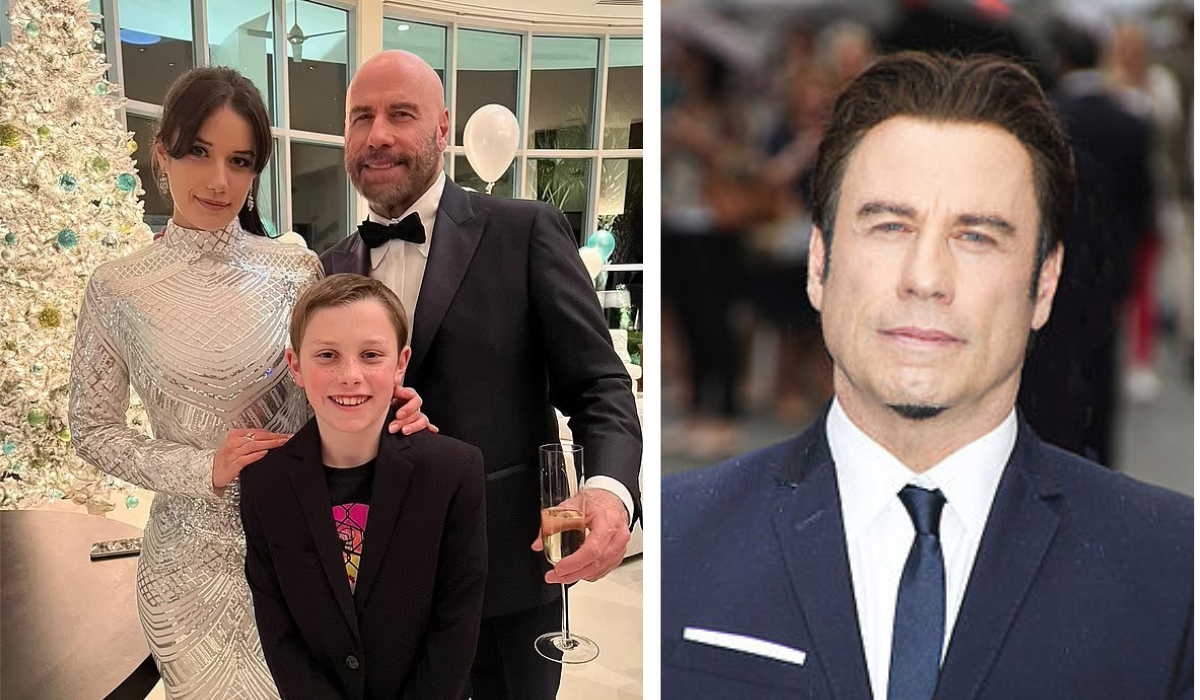
John Travolta is one of Hollywood’s most recognizable performers, celebrated for his acting, dancing, singing, and remarkable career longevity. Born in New Jersey in 1954, he rose from television success to international movie stardom. His performances in Saturday Night Fever, Grease, and Pulp Fiction helped define different eras of American popular culture. Over the decades, he has demonstrated an unusual ability to move between musicals, dramas, thrillers, comedies, and television projects. His journey includes major successes, professional setbacks, and memorable comebacks, making his career an enduring example of versatility, persistence, and reinvention.
| Quick Bio | Details |
|---|---|
| Full Name | John Joseph Travolta |
| Date of Birth | February 18, 1954 |
| Birthplace | Englewood, New Jersey, USA |
| Profession | Actor, Singer, Producer, Dancer |
| Years Active | 1972–present |
| Best Known For | Grease, Saturday Night Fever, Pulp Fiction |
| Major Oscar Nominations | Saturday Night Fever, Pulp Fiction |
| Notable TV Role | Vinnie Barbarino in Welcome Back, Kotter |
| Golden Globe Highlight | Best Actor for Get Shorty |
| Children | Three |
| Famous Musical Partner | Olivia Newton-John |
| Official Website | Travolta.com |
Early Life and Family Background
John Travolta was born on February 18, 1954, in Englewood, New Jersey. He grew up in a large family where performance and creativity were encouraged. His mother, Helen Travolta, had experience as an actress and singer, while his father worked in the tire business. Growing up around music and entertainment helped shape his ambitions from an early age. He eventually left traditional schooling to concentrate on acting and performance training. His early determination became an important foundation for the professional career that followed.
John Travolta and Early Acting Ambitions

John Travolta began pursuing entertainment while still young, developing skills in acting, singing, and dancing. Those three abilities later became central to his professional identity. Rather than limiting himself to one form of performance, he worked toward becoming a complete entertainer capable of handling stage and screen opportunities. His early experiences helped him understand timing, movement, character development, and audience connection. These qualities became especially valuable when he entered television and musical productions, where performers often needed to combine several disciplines at once.
Broadway and Stage Experience
Before becoming a major film star, John Travolta gained valuable experience through stage work. Performing before live audiences helped him develop confidence and sharpen his ability to communicate emotion through movement and dialogue. Stage productions also exposed him to demanding schedules and the discipline required for repeated performances. This background proved useful when his career expanded into television and cinema. Musical theater gave him a natural understanding of choreography and rhythm, qualities that would later become essential to some of his most famous screen performances.
Breakthrough With Welcome Back, Kotter
John Travolta became widely recognized after playing Vinnie Barbarino on the television sitcom Welcome Back, Kotter. The show ran from 1975 to 1979 and introduced him to a large national audience. His energetic personality, comic timing, and distinctive screen presence made the character memorable. Television success gave the young performer the visibility needed to pursue more ambitious film roles. The series became an important launching point, demonstrating that he could connect with viewers while also establishing a recognizable celebrity persona.
Saturday Night Fever Changes Everything
John Travolta reached international stardom with Saturday Night Fever in 1977. He portrayed Tony Manero, a young Brooklyn man whose passion for dancing provides an escape from difficult circumstances. The role required emotional acting as well as sophisticated dance performance. The movie became closely associated with the disco era, and Travolta’s white suit and dance sequences became cultural symbols. The Academy recognized his performance with a Best Actor nomination, establishing him as a serious film performer rather than simply a television star.
Grease Becomes a Global Phenomenon
John Travolta followed his disco breakthrough with Grease, the hugely successful 1978 musical in which he played Danny Zuko. Opposite Olivia Newton-John as Sandy, he combined comedy, romance, singing, dancing, and youthful charm. Songs such as “You’re the One That I Want” became international favorites, while the movie remained a defining musical of its generation. The success of Grease expanded his popularity beyond traditional movie audiences and established him as one of the era’s leading entertainment figures.
John Travolta as a Musical Performer
John Travolta’s musical abilities have always been an important part of his public identity. He recorded albums and contributed vocals to several movie soundtracks. His collaboration with Olivia Newton-John became especially memorable because their musical performances complemented their chemistry on screen. His music career demonstrated that his talents extended beyond acting. Although cinema remained his primary profession, singing and dancing gave him additional creative outlets and helped distinguish him from performers who focused exclusively on dramatic roles.
Urban Cowboy and Career Expansion
John Travolta continued building his film career with Urban Cowboy in 1980. The movie allowed him to explore a different cultural setting and a more grounded character. Its popularity reinforced his ability to lead films outside the disco and musical genres. During this period, audiences were becoming familiar with his ability to adapt his image. Rather than repeating the same formula, he experimented with different stories and characters, an approach that later became an important part of his long-term survival in Hollywood.
Exploring More Serious Roles
John Travolta also pursued challenging dramatic projects as he looked beyond mainstream musical entertainment. Films such as Blow Out demonstrated his willingness to work in darker, more complex material. The thriller allowed him to portray a character dealing with danger, political intrigue, and moral uncertainty. Projects like this helped critics view him as a performer capable of serious dramatic work. His willingness to take risks was important because it prevented his early musical fame from becoming the only definition of his acting career.
A Difficult Period in the 1980s
John Travolta experienced a professional slowdown during the 1980s. After enormous success in the previous decade, several projects failed to generate the same level of excitement. Career downturns are common in Hollywood, especially for performers strongly associated with a particular era or style. Instead of disappearing completely, he continued working and waited for opportunities that could change public perceptions. This period ultimately became an important part of his story because the difficulties made his later career revival even more remarkable.
The Pulp Fiction Comeback
John Travolta experienced one of Hollywood’s most celebrated career revivals through Quentin Tarantino’s Pulp Fiction in 1994. He played Vincent Vega, a philosophical and unpredictable hitman whose conversations and interactions became central to the film’s distinctive style. The movie became an influential cultural phenomenon, and Travolta’s performance earned his second Academy Award nomination for Best Actor. His casting proved that a performer could move from career uncertainty back to major critical and commercial attention.
Why Pulp Fiction Was So Important
The success of Pulp Fiction changed the perception of John Travolta and opened new opportunities. Quentin Tarantino’s unconventional storytelling gave him a role that balanced humor, danger, confidence, and vulnerability. The performance reminded audiences that his screen charisma remained powerful. It also introduced him to a younger generation of viewers who may not have experienced his earlier successes firsthand. The film became influential in modern cinema, and its fractured narrative and memorable characters helped secure its place in film history.
Get Shorty and Golden Globe Success
John Travolta followed his comeback with Get Shorty in 1995. Playing Chili Palmer, he brought effortless humor and confidence to a character navigating the worlds of crime and Hollywood. The performance was widely praised and earned him the Golden Globe Award for Best Actor in a Motion Picture Musical or Comedy. The achievement confirmed that his comeback was not simply a one-film event. Instead, he had successfully transformed renewed attention into another productive period of major film work.
Face/Off and Action Movie Stardom
John Travolta expanded his range again with Face/Off in 1997. The action thriller required him to play opposite Nicolas Cage in a story involving identity, transformation, and revenge. The unusual premise gave both actors opportunities to imitate one another’s characters. Travolta embraced the energetic style of the film, reinforcing his ability to carry large-scale commercial entertainment. His work during the 1990s demonstrated that his comeback could include serious drama, comedy, crime stories, and high-concept action.
A Versatile 1990s Film Career
The 1990s became one of the most productive periods for John Travolta. Alongside Pulp Fiction, Get Shorty, and Face/Off, he appeared in projects such as A Civil Action, Primary Colors, and The General’s Daughter. These films showcased different sides of his acting abilities. He could portray charming criminals, political figures, professionals, and morally complicated characters. His ability to shift between genres made him an attractive choice for filmmakers seeking an established star with both commercial appeal and substantial acting experience.
Hairspray Introduces a New Generation
John Travolta surprised audiences again in the 2007 musical Hairspray. He portrayed Edna Turnblad, appearing in extensive makeup and costume to play the mother of Tracy Turnblad. The role required comedy, singing, dancing, and a willingness to embrace an intentionally exaggerated character. His performance helped the movie appeal to both longtime fans and younger audiences. The project also returned him to the musical territory that had played such a major role in his early fame.
Voice Acting and Family Entertainment
John Travolta also explored family-oriented entertainment through projects such as Bolt, where he provided a leading voice performance. Voice acting requires performers to communicate personality largely through vocal expression rather than physical appearance. His distinctive voice and comic timing made the transition natural. Family films allowed him to reach audiences who might know him less for his earlier dramatic work. This phase of his career demonstrated another dimension of his versatility and willingness to participate in different forms of entertainment.
Television Return With American Crime Story
John Travolta returned to television in a major way with The People v. O. J. Simpson: American Crime Story. He portrayed attorney Robert Shapiro in the acclaimed limited series and also worked as a producer. The role brought renewed critical attention and demonstrated that his television career remained relevant decades after Welcome Back, Kotter. His work on the series earned major award recognition, including Emmy attention. It was another example of his ability to adapt as entertainment increasingly moved between theatrical films and prestige television.
Die Hart and Later Screen Work
John Travolta continued exploring television and streaming opportunities with projects such as Die Hart. His willingness to work across different formats reflects changes in the entertainment industry. Modern audiences increasingly discover established performers through streaming services rather than traditional movie theaters or network television. By participating in contemporary productions, he remained connected with new viewers while maintaining his established fan base. His later work shows a career that continues to evolve rather than relying entirely on nostalgia.
Awards and Major Recognition
John Travolta has received extensive recognition throughout his career. He earned Academy Award nominations for Saturday Night Fever and Pulp Fiction, representing two dramatically different stages of his professional journey. His awards history also includes Golden Globe recognition and an Emmy win connected with his television work. The Academy’s official database confirms his two Best Actor nominations. His achievements demonstrate that his career has included both popular entertainment and projects that received significant industry attention.
Dance as a Signature Talent
John Travolta’s dancing remains one of the most recognizable elements of his career. His performances in Saturday Night Fever and Grease transformed dance into a major part of his star image. Unlike actors who occasionally dance for a scene, he brought professional-level movement and musical timing to roles built around performance. His dance scenes remain widely remembered because they combine character development with entertainment. Even decades later, audiences continue associating his name with some of cinema’s most recognizable musical moments.
Music and Popular Culture
John Travolta’s musical career contributed significantly to his cultural impact. His recordings and soundtrack appearances helped connect his film roles with popular music. His collaboration with Olivia Newton-John produced some of the most recognizable musical moments associated with Grease. Music also helped make his characters feel larger than the films themselves because songs could live independently on radio, television, and later digital platforms. His career therefore represents an unusual combination of cinema, television, stage performance, dance, and popular music.
Family Life and Personal Values
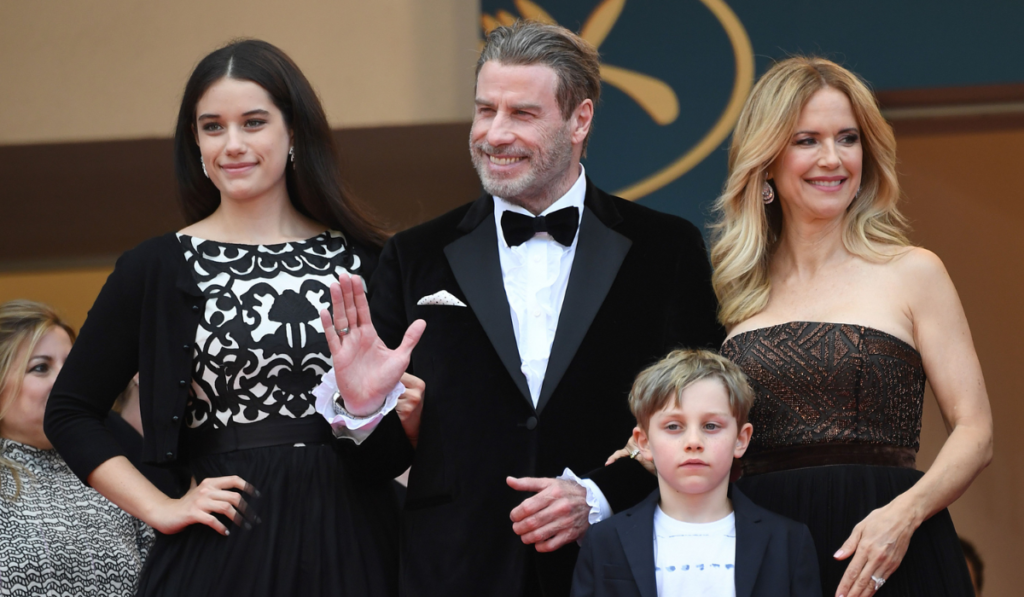
John Travolta has experienced both joyful and difficult moments in his family life. He was married to actress Kelly Preston, and together they had three children. Their family remained an important part of his life away from the entertainment industry. Travolta has often spoken publicly about the importance of family, remembrance, and maintaining meaningful relationships. His personal experiences have shaped the perspective he brings to later stages of his life and career, particularly as he balances professional projects with private family responsibilities.
Passion for Aviation
John Travolta is also well known for his passion for aviation. Flying has been a long-standing personal interest, and he has held pilot credentials. His fascination with aircraft represents a distinctive part of his identity outside entertainment. Aviation has also occasionally intersected with his public life, making him unusual among Hollywood performers. His interests demonstrate that his personality extends beyond acting and celebrity culture. He has developed serious enthusiasm for an area requiring technical knowledge, training, discipline, and responsibility.
John Travolta as a Hollywood Comeback Story
John Travolta’s career is frequently discussed as an example of professional reinvention. Few performers have moved so dramatically from television fame to blockbuster musicals, experienced a major career slowdown, and then returned to the center of Hollywood through a groundbreaking independent film. His journey shows that entertainment careers are rarely completely linear. Timing, creative choices, strong collaborators, and public perception can dramatically change an actor’s opportunities. His comeback remains especially inspiring because it demonstrated that a quieter period does not necessarily mean the end of a successful career.
Influence on Popular Culture
John Travolta has influenced popular culture through characters, dance scenes, hairstyles, costumes, music, and memorable movie moments. Tony Manero became associated with disco culture, while Danny Zuko became an enduring musical character. Vincent Vega represented a completely different cinematic image. These roles show how a performer can create distinct cultural identities without becoming trapped by one signature character. His ability to leave recognizable impressions across several decades has helped maintain his relevance among audiences with very different tastes.
John Travolta’s Acting Style
John Travolta often combines confidence with vulnerability in his performances. He can project charisma while also allowing characters to appear uncertain, humorous, dangerous, or emotionally exposed. His physicality is another major strength, particularly in roles involving movement or action. Comedy benefits from his timing, while dramatic projects benefit from his ability to create tension. This combination of qualities helps explain why he has remained useful across multiple genres. Rather than depending on one acting technique, he adjusts his approach according to the character and story.
Memorable Movie Roles
John Travolta has played an unusually broad range of characters. His filmography includes dancers, romantic leads, criminals, lawyers, action heroes, fathers, political figures, and comic characters. Notable movies include Saturday Night Fever, Grease, Blow Out, Pulp Fiction, Get Shorty, Face/Off, Primary Colors, Hairspray, Wild Hogs, and other projects. His official biography highlights his Academy Award nominations and major roles, illustrating the breadth of his screen career.
Professional Longevity
John Travolta has remained active for decades, which is a significant achievement in an industry where public attention can change rapidly. His career began professionally in the early 1970s and continued through television, film, music, and streaming-era productions. Longevity requires more than fame; it requires adapting to changing audiences and production styles. His willingness to experiment with genres and formats has helped him remain recognizable. His career demonstrates how established performers can continue finding new opportunities long after their initial breakthrough.
Legacy in Film History
John Travolta’s legacy rests on several major contributions to popular cinema. Saturday Night Fever captured a defining cultural moment, Grease became one of the most beloved movie musicals, and Pulp Fiction helped redefine independent American cinema for mainstream audiences. His performances in these films reached audiences across generations. The Academy continues to list both Saturday Night Fever and Pulp Fiction among his Best Actor nominations, reinforcing the significance of those performances in his professional history.
Why His Career Remains Inspiring
John Travolta’s story offers a valuable lesson about persistence. Success can arrive early, disappear unexpectedly, and return through an opportunity that initially seems unlikely. His career shows the importance of accepting new challenges instead of depending entirely on past achievements. He has repeatedly moved between genres and formats, demonstrating professional flexibility. For aspiring performers, his journey illustrates that setbacks do not necessarily define a career. Reinvention, preparation, patience, and the courage to accept unconventional roles can create opportunities even after difficult periods.
John Travolta’s Enduring Celebrity Appeal
John Travolta remains recognizable because his most successful performances are closely connected to major moments in entertainment history. Fans remember the dancing of Saturday Night Fever, the romance and music of Grease, and the unusual crime-world humor of Pulp Fiction. Younger audiences have also encountered his work through later movies, television, animation, and streaming projects. This cross-generational visibility gives his career unusual durability. His name continues to represent a combination of charisma, entertainment versatility, musical talent, and Hollywood resilience.
Future of His Career
John Travolta’s future work may continue to reflect the changing entertainment landscape. Streaming platforms, independent productions, television projects, and international cinema provide established performers with more opportunities than the traditional studio system once offered. His long experience across multiple formats gives him the flexibility to explore different kinds of roles. Whether he chooses dramatic performances, comedy, action, television, or music-related projects, his established reputation gives new work a strong foundation. His career remains an evolving story rather than a finished chapter.
Lasting Hollywood Legacy
John Travolta’s remarkable journey combines early television success, musical superstardom, dramatic ambition, career setbacks, and one of cinema’s most famous comebacks. From Tony Manero and Danny Zuko to Vincent Vega and later television characters, he has created roles that remain recognizable decades after their original releases. His influence extends beyond acting into dance, music, aviation, and popular culture. For readers seeking a broader overview of his life, career, filmography, and achievements, the John Travolta Wikipedia page provides a useful related reference.
Frequently Asked Questions
1. When was John Travolta born? — • He was born on February 18, 1954, in Englewood, New Jersey.
2. What made John Travolta famous? — • His television role in Welcome Back, Kotter and major films including Saturday Night Fever and Grease established his early fame.
3. How many Academy Award nominations has John Travolta received? — • He has received two Best Actor nominations, for Saturday Night Fever and Pulp Fiction.
4. Did John Travolta win a Golden Globe? — • Yes, he won the Golden Globe for Best Actor in a Motion Picture Musical or Comedy for Get Shorty.
5. What is John Travolta best known for today? — • He remains known for his iconic film roles, musical performances, television work, versatility, and long-lasting Hollywood career.