 admin
admin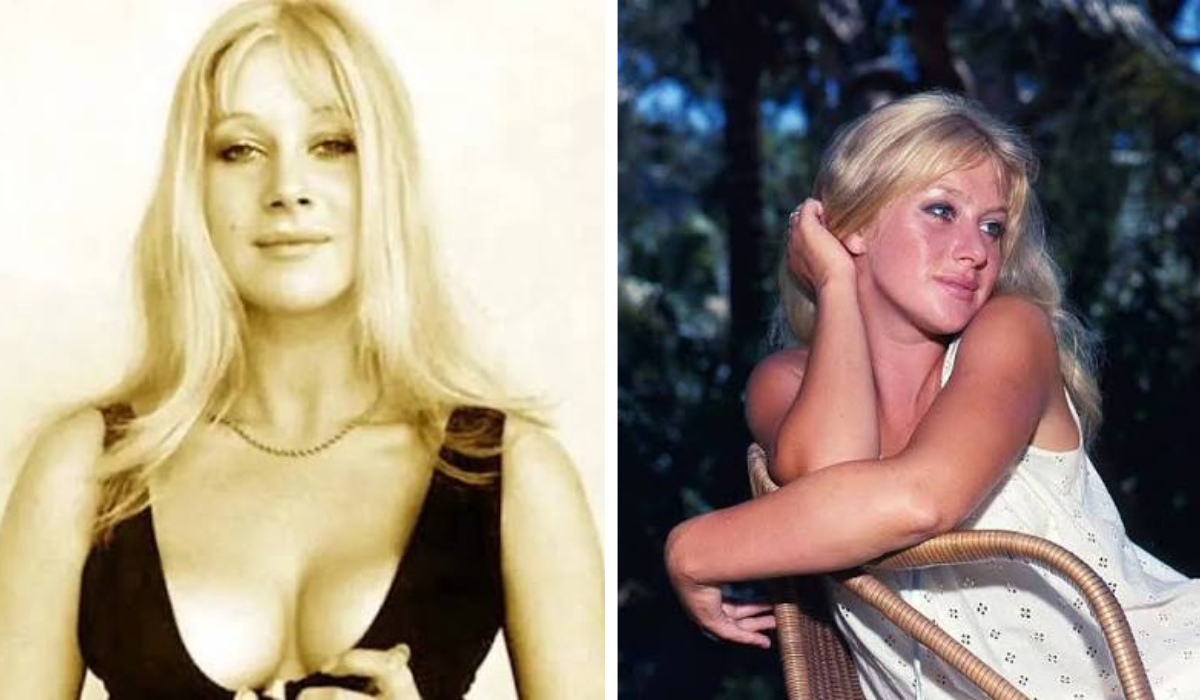
Helen Mirren Young remains a popular search topic because her early career reveals how a talented performer developed into one of the most respected actors of her generation. Born Ilyena Lydia Mironoff in London in 1945, she grew up in Leigh-on-Sea, Essex, and discovered a strong interest in acting during her school years. Her breakthrough came through the National Youth Theatre, followed by important work with the Royal Shakespeare Company. Those formative years helped shape the confidence, discipline, and theatrical technique that later defined her international career.
| Quick Bio | Details |
|---|---|
| Full name | Ilyena Lydia Mironoff |
| Born | July 26, 1945 |
| Birthplace | London, England |
| Raised in | Leigh-on-Sea, Essex |
| Profession | Actor |
| Early breakthrough | Cleopatra in Antony and Cleopatra |
| Major stage company | Royal Shakespeare Company |
| First credited film | Herostratus |
| Academy Award | Best Actress for The Queen |
Helen Mirren Young and Her Early Family Life
Helen Mirren Young began with a distinctive family background. Her mother, Kathleen, came from a working-class English family, while her father, Vasily Mironoff, came from Russian émigré nobility. The family lived in England, and Mirren was raised in Leigh-on-Sea with her siblings. This mixture of backgrounds later became an interesting part of her public identity. Her childhood was not built around celebrity or privilege, and her early path toward acting developed through education, school productions, and a growing fascination with drama rather than through family connections in the entertainment industry.
Helen Mirren Young and Her School Years

At school, Mirren showed an early attraction to performance. She attended Hamlet Court primary school and later St Bernard’s High School for Girls in Southend-on-Sea. School productions gave her opportunities to experiment with character, voice, movement, and stage presence. Her interest became stronger after encountering Shakespeare, and she eventually pursued formal theatrical training at the New College of Speech and Drama in London. These experiences provided an important foundation before she entered professional theatre and began competing for serious roles at a remarkably young age.
Helen Mirren Young and the Discovery of Shakespeare
Shakespeare played an important role in shaping Mirren’s artistic ambitions. As a teenager, she became increasingly fascinated by classical drama and the possibilities of performing complex characters. That interest helped distinguish her from performers who were primarily attracted to screen fame. She wanted to become a serious classical actor, and the theatre offered a demanding environment in which she could develop. Her early commitment to Shakespeare eventually positioned her for major opportunities with the National Youth Theatre and the Royal Shakespeare Company.
Helen Mirren Young at the National Youth Theatre
At eighteen, Mirren successfully auditioned for the National Youth Theatre. Her defining early opportunity arrived when she played Cleopatra in Antony and Cleopatra at the Old Vic in 1965. The production became a major turning point because it demonstrated her ability to handle a demanding classical role with authority and charisma. Her performance attracted professional attention and helped lead to representation by agent Albert Parker. The role is widely regarded as the performance that launched her professional career.
Helen Mirren Young and the Royal Shakespeare Company
The success of her National Youth Theatre work led to an invitation to join the Royal Shakespeare Company. She became part of one of Britain’s most prestigious theatrical institutions and appeared in productions including The Revenger’s Tragedy, All’s Well That Ends Well, Troilus and Cressida, As You Like It, and The Two Gentlemen of Verona. These roles allowed her to work within a demanding classical repertory and develop range. Her RSC years established a reputation for intelligence, discipline, and stage command that continued throughout her career.
Helen Mirren Young and Her Stage Training
The stage was essentially Mirren’s professional laboratory. Theatre required her to project emotion without relying on cinematic close-ups, sustain long scenes, and respond instantly to fellow performers. Those demands strengthened skills that later became visible in film and television. Her early stage training also encouraged her to approach characters from psychological and physical perspectives. Instead of depending solely on appearance, she built performances through voice, posture, timing, and emotional detail. That foundation helped her transition between classical theatre, independent cinema, television drama, and mainstream entertainment.
Mirren’s Early Career and Early Film Roles
Mirren’s film career began during the late 1960s. Helen Mirren Young first credited film role was in Herostratus, while Age of Consent became an early major screen appearance. These projects introduced her to a different style of acting, where small gestures and facial expressions could communicate what a theatre audience might normally receive through larger physical performances. Her early films varied greatly in tone, and some emphasized her youthful screen presence. Nevertheless, they gave her valuable experience and gradually expanded her reputation beyond British theatre.
Helen Mirren Young in the 1970s

The 1970s were an important period of experimentation. Helen Mirren Young appeared in films such as O Lucky Man!, Caligula, and other projects while continuing to pursue ambitious theatrical work. She was not locked into one genre or image, and her choices often placed her in unusual or challenging productions. During this period, she also worked with Peter Brook’s theatre company and toured internationally. The decade helped her broaden her artistic vocabulary and showed that she was willing to take risks rather than follow a predictable path.
Helen Mirren Young and Peter Brook
Working with Peter Brook was another significant stage in Mirren’s development. After several years with the Royal Shakespeare Company, she joined Brook’s Centre for International Theatre Research and participated in international touring. The experience exposed her to different theatrical traditions and performance approaches. It also encouraged her to think beyond the conventions of British classical theatre. This period demonstrated that her ambition was not simply to become famous but to build a substantial artistic career. The lessons from Brook’s company became part of the wider foundation for her later screen success.
Mirren’s Early Career and Screen Confidence
As Mirren gained experience, she developed greater confidence in front of cameras. Early film work required her to understand how performance changes when the audience is replaced by a lens. Instead of projecting every emotion outward, she learned to make subtle reactions meaningful. Helen Mirren Young theatre background gave her strong control over language and movement, while film taught her restraint. This combination eventually became one of her defining strengths. She could deliver dialogue with theatrical authority while still allowing a close-up to capture a private thought or emotional shift.
Helen Mirren Young and The Long Good Friday
One of her most important early screen breakthroughs came with The Long Good Friday in 1980. The crime drama helped establish Mirren as a compelling screen performer and showed that she could hold her own opposite powerful personalities. Her performance as Victoria was controlled, intelligent, and memorable. The film became an important part of her progression from respected stage actor to increasingly recognized screen star. It also demonstrated her ability to communicate strength without making a character feel one-dimensional.
Helen Mirren Young in Excalibur
In 1981, Mirren appeared as Morgana in John Boorman’s Excalibur. The fantasy film brought her to a much wider international audience and became one of the recognizable titles from her early filmography. Her performance added theatrical intensity to a story filled with mythology, romance, ambition, and conflict. The role also contributed to the image many viewers associate with her early screen years: striking presence combined with a serious commitment to character. Her career, however, was already moving beyond appearance toward increasingly complex dramatic work.
Helen Mirren Young and Television
Television became another important part of Mirren’s development. Rather than limiting herself to cinema, she accepted roles that allowed her to explore detailed characters over longer narratives. British television offered opportunities to work with strong writers and directors, while her theatre background helped her approach demanding dialogue. This period strengthened her reputation as an actor who could move comfortably among different mediums. Eventually, her television work would lead to one of her most famous characters, Detective Jane Tennison in Prime Suspect.
Mirren’s Early Career and Her Evolving Style
Mirren’s early public image changed considerably as her career progressed. She could appear glamorous, unconventional, theatrical, or understated depending on the project. Instead of allowing one look to define her, she used fashion and performance choices to support different stages of her career. Helen Mirren Young confidence also grew with professional experience. The result was an image based less on conventional youth and more on individuality. This evolution is one reason archival photographs of her early years remain interesting to audiences studying the history of British film and theatre.
Helen Mirren Young and Gender Expectations
Early in her career, Mirren sometimes faced interviews and publicity that focused heavily on her appearance rather than her acting. A widely discussed 1975 television interview is often remembered because the questions directed attention toward her body and sexuality. Mirren pushed back against that framing and defended the seriousness of her work. Her response has become part of a larger discussion about how actresses were treated by the media. Her early career therefore reflects not only artistic achievement but also the changing expectations placed on women working in entertainment.
Helen Mirren Young and Ambition
Mirren’s ambition was central to her development. She wanted a substantial career rather than simply temporary fame, and her professional choices reflected that goal. She moved between theatre, film, television, and international projects, accepting opportunities that challenged her abilities. Her willingness to experiment helped prevent her from being trapped by a single public image. Over time, that flexibility became one of her greatest professional advantages. She could play royalty, detectives, dramatic figures, comic characters, and action roles without losing the authority associated with her classical training.
Helen Mirren Young and Prime Suspect
Although Prime Suspect arrived later, its roots can be traced to the skills developed during Mirren’s earlier years. As Jane Tennison, she portrayed a determined detective navigating professional pressure and institutional challenges. The role became a defining television performance and earned major recognition. It also proved that Mirren could carry a long-running dramatic series without depending on traditional glamour. Her portrayal was grounded, intelligent, and emotionally layered, reflecting decades of stage and screen experience.
Helen Mirren Young and Her Route to The Queen
The discipline developed during her youth ultimately prepared Mirren for her portrayal of Queen Elizabeth II in The Queen. Released in 2006, the film became one of the defining achievements of her career. She transformed into a reserved and highly recognizable public figure while finding emotional depth beneath the formal exterior. The performance earned her the Academy Award for Best Actress. Her success showed how early theatrical training, screen experimentation, and years of character work could culminate in a performance that reached a global audience.
Helen Mirren Young and Awards Legacy
The achievements that came later make her early career especially interesting. Mirren has received an Academy Award, multiple BAFTAs, Golden Globes, Emmys, and a Tony Award. She is also the only performer to have achieved both the American and British Triple Crowns of Acting. These honors did not appear suddenly; they followed decades of stage, television, and film work. Looking at her early years helps explain why her later performances possessed such range. Her awards represent the long-term result of training, experimentation, resilience, and sustained artistic ambition.
Helen Mirren Young and Her Personal Independence
Mirren’s career has often been associated with independence and a willingness to define herself on her own terms. She did not follow a conventional path toward fame, and she resisted the idea that an actress should be limited by age or appearance. Her choices demonstrate a consistent interest in strong characters and varied storytelling. That independence became especially important as she moved from youthful roles into mature dramatic performances. Rather than treating aging as an obstacle, her career increasingly demonstrated that experience could become a major creative advantage.
Helen Mirren Young and Lasting Influence
The enduring fascination with Mirren’s early years is about more than photographs or nostalgia. Her youth shows the development of a performer who combined classical discipline with curiosity and risk-taking. From the National Youth Theatre to the Royal Shakespeare Company, early film roles, international theatre, and television, each stage added another layer to her craft. Her career became a model for longevity because she repeatedly reinvented herself. That ability to change while maintaining artistic identity remains one of the most valuable lessons from her professional journey.
Mirren’s Early Career in Retrospect
Looking back, Mirren’s early career appears remarkably ambitious. She entered professional theatre at a young age, embraced Shakespeare, worked with major theatrical institutions, and gradually expanded into film and television. Her journey was not an overnight success story. It was built through many roles, experiments, setbacks, and opportunities. That makes her story more useful than a simple celebrity biography. It demonstrates how sustained development can turn early promise into international recognition. Her youth was the starting point, but the longevity of her career became the larger achievement.
Why Helen Mirren Young Still Interests Fans
Searches for early photographs and career details remain popular because audiences want to understand how a familiar cultural figure looked and worked before global fame. Mirren’s early images also document changing fashion, theatre culture, and attitudes toward actresses. More importantly, they show a performer already developing the confidence that later became central to her identity. Fans can see the connection between the ambitious young theatre actor and the internationally respected star. Her early story therefore offers both visual nostalgia and a valuable look at professional growth.
Helen Mirren Young: A Career Built on Reinvention
One of the strongest lessons from Mirren’s career is the value of reinvention. She moved from classical theatre to experimental performance, British cinema, television drama, prestige films, and mainstream franchises. Each transition could have narrowed her identity, but instead it expanded her range. Her willingness to accept different kinds of roles allowed audiences to encounter new versions of her talent. The foundation for that adaptability was established early, when she learned to treat acting as a craft rather than a fixed image.
Helen Mirren Young and Modern Celebrity Culture
Today, celebrity culture often emphasizes rapid fame, viral moments, and short career cycles. Mirren’s early story offers a different model. Her reputation developed through years of training, stage work, television appearances, and carefully varied film roles. That slower path allowed her to build credibility across several forms of entertainment. Her experience suggests that lasting recognition can come from consistency and adaptability rather than constant visibility. For younger performers, her career remains an example of how professional depth can create opportunities long after the first breakthrough.
Helen Mirren Young: The Enduring Legacy
The story of Mirren’s youth is ultimately a story about preparation. The school productions, Shakespearean interest, National Youth Theatre breakthrough, Royal Shakespeare Company experience, early films, and international theatre all contributed to the performer she became. Her later achievements, including her Oscar-winning performance in The Queen, make those early chapters even more significant. For readers interested in biography, theatre, or film history, her career demonstrates how talent becomes durable when supported by training, curiosity, courage, and the willingness to keep evolving.
Frequently Asked Questions
1. When did Helen Mirren begin acting professionally?
- She began her professional theatre career in the 1960s, gaining major attention through the National Youth Theatre and later the Royal Shakespeare Company.
2. What was Helen Mirren’s breakthrough early role?
- Her performance as Cleopatra in Antony and Cleopatra at the National Youth Theatre in 1965 was a major early breakthrough.
3. What was Helen Mirren’s first credited film?
- Her first credited film role was in Herostratus, released in 1967.
4. Which role won Helen Mirren an Academy Award?
- She won Best Actress for portraying Queen Elizabeth II in The Queen, released in 2006.
5. Why is Helen Mirren’s early career important?
- Her early theatre and film work established the classical training, versatility, and confidence that supported her long international career.
Final Thoughts on Helen Mirren Young
Helen Mirren’s early years provide a fascinating view of the foundations behind an extraordinary acting career. Her progression from school theatre to the National Youth Theatre, the Royal Shakespeare Company, film, television, and eventually international stardom shows how persistence can transform talent into lasting achievement. Readers who want additional background can explore the related biography on Wikipedia’s Helen Mirren page for further career and life details. Her story remains inspiring because it proves that a successful career can be built through continuous learning, bold choices, and reinvention.