 admin
admin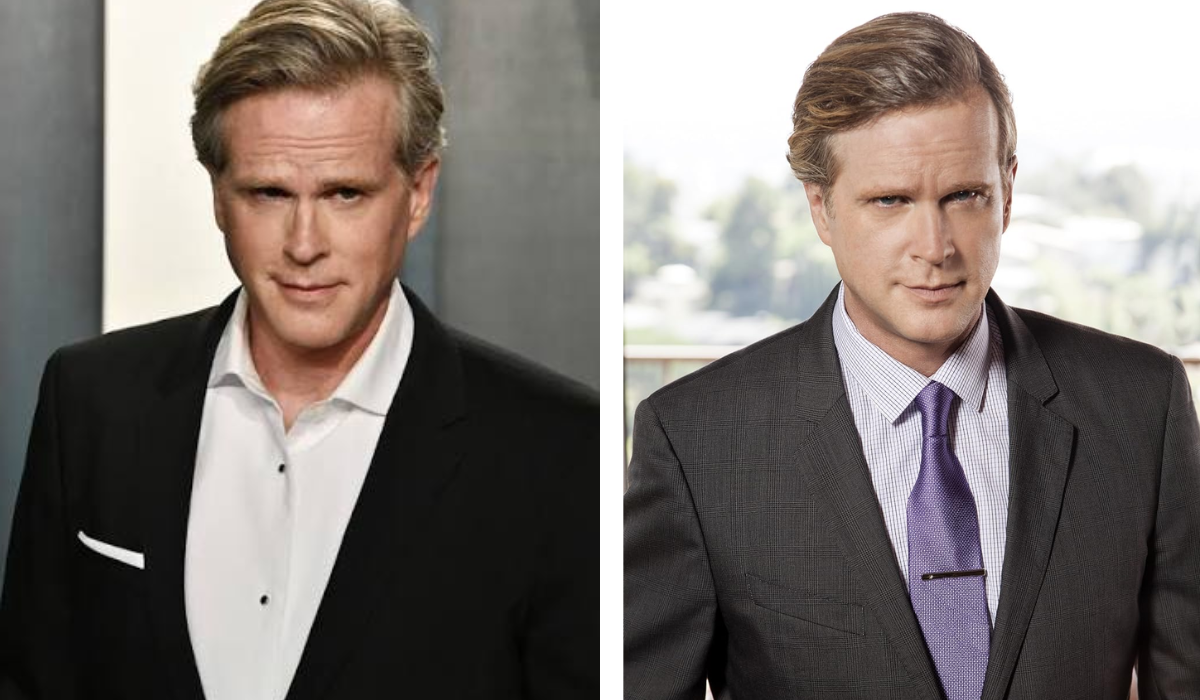
Cary Elwes is an English actor whose career has stretched across romantic dramas, fantasy adventures, comedies, thrillers, horror films, and television. Born in London in 1962, he became internationally recognized for playing Westley in The Princess Bride. Over the decades, he has continued building a diverse résumé through memorable performances in Robin Hood: Men in Tights, Twister, Liar Liar, Saw, and numerous television projects. His ability to move naturally between charming heroes, comedic characters, dramatic figures, and darker roles has helped him remain a familiar face in entertainment.
Quick Bio
| Detail | Information |
|---|---|
| Full Name | Ivan Simon Cary Elwes |
| Birth Date | October 26, 1962 |
| Birthplace | Westminster, London, England |
| Profession | Actor, Producer, Voice Actor |
| Height | 6 feet |
| Spouse | Lisa Marie Kurbikoff |
| Children | One daughter |
| Education | Harrow, Sarah Lawrence College |
| Famous Role | Westley in The Princess Bride |
| Years Active | 1979–present |
Early Life and London Background
Cary Elwes was born on October 26, 1962, in Westminster, London. He grew up in a creative family connected to art, literature, and entertainment. His father, Dominick Elwes, was a noted portrait painter, while his brothers Cassian and Damian also developed careers in creative industries. Growing up around artists gave Elwes an early appreciation for storytelling and performance. His upbringing in England also influenced his refined screen presence, which later helped him convincingly portray characters from different historical periods and social backgrounds.
Education and Acting Ambitions
Cary Elwes attended Harrow before moving to the United States, where he studied drama at Sarah Lawrence College. His education helped him develop a stronger understanding of performance and character work. Rather than following a conventional academic route, he eventually left college to pursue acting professionally. His decision proved important because the early 1980s offered opportunities for young British performers in film. Elwes combined his classical background with an increasingly modern screen style, allowing him to work effectively in period dramas as well as contemporary productions.
Beginning of His Acting Career
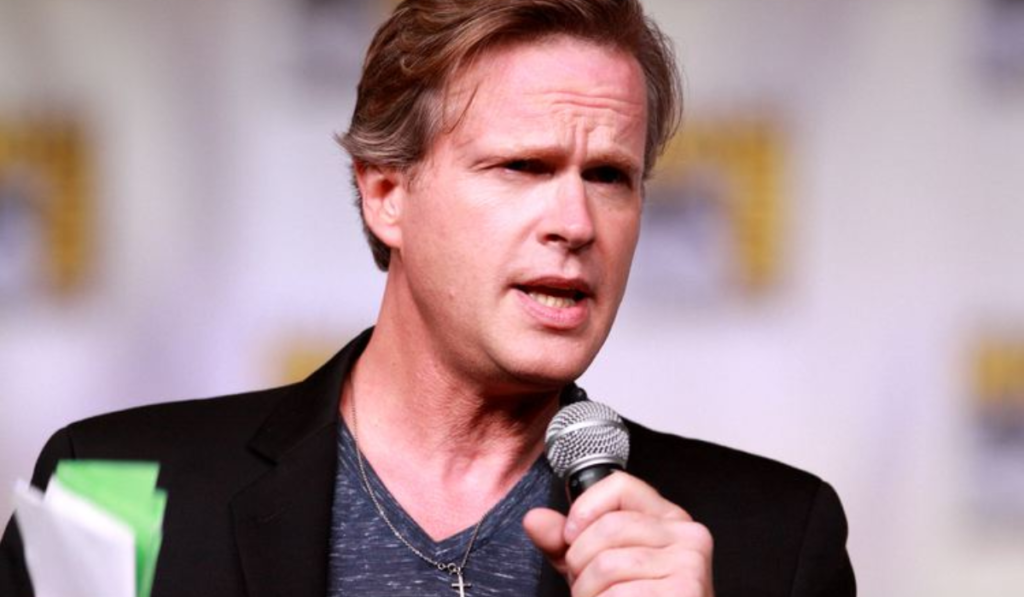
Cary Elwes began working professionally in the late 1970s, appearing in small projects before gaining wider recognition during the 1980s. His early film work included Another Country, Oxford Blues, The Bride, and Lady Jane. These productions helped establish him as a promising young actor capable of handling serious material. His performances also demonstrated his natural ability to play intelligent, polished, and emotionally complicated characters. The experience gained during these early years prepared him for the role that would eventually transform his international career.
Breakthrough With The Princess Bride
Cary Elwes achieved worldwide recognition as Westley in The Princess Bride, released in 1987. Directed by Rob Reiner, the fantasy adventure combined romance, comedy, action, and fairy-tale storytelling. Elwes brought confidence and humor to Westley, creating a character who could be both a romantic hero and a playful action figure. His chemistry with Robin Wright became one of the film’s central strengths. Although the movie developed its reputation gradually, it eventually became a beloved classic and one of the defining productions of Elwes’ career.
Preparing for Westley
Cary Elwes had to prepare physically for Westley because the role required fencing, acrobatics, and action scenes. He trained extensively and practiced fencing with both his left and right hands. This preparation helped make the character’s swordplay convincing on screen. His willingness to undertake demanding physical work contributed significantly to the film’s adventurous tone. Westley ultimately became more than another acting credit because audiences associated Elwes with the character’s humor, determination, romance, and heroic personality.
Robin Hood: Men in Tights
After establishing himself as a romantic and adventurous leading man, Cary Elwes demonstrated his comedic abilities in Mel Brooks’ Robin Hood: Men in Tights. Released in 1993, the film gave him an opportunity to parody the heroic image he had previously cultivated. As Robin Hood, he played the role with deliberate charm while embracing the movie’s broad humor. The performance showed that Elwes could make fun of the traditional swashbuckling persona rather than simply repeat it. The movie remains one of his most recognizable comedy performances.
Success With Twister
Cary Elwes joined the cast of Twister in 1996, playing Dr. Jonas Miller. The disaster film became a major commercial success and placed him alongside Helen Hunt and Bill Paxton. Unlike his fantasy and comedy roles, this project placed him in a modern action environment centered on storm chasing. Elwes played a scientist and rival figure who added tension to the story. His involvement also demonstrated how comfortably he could transition between character-driven productions and large-scale Hollywood entertainment. Twister remains an important part of his mainstream film résumé.
Role in Liar Liar
Cary Elwes appeared opposite Jim Carrey in Liar Liar, the successful 1997 comedy about a lawyer unable to lie. Elwes played Jerry, a character connected to the central professional and personal conflict. The film allowed him to work within a fast-paced comedic structure dominated by Carrey’s energetic performance. Elwes provided a more controlled presence that helped balance the movie’s exaggerated humor. His participation in the production added another major studio comedy to a résumé that already included fantasy, adventure, drama, and action.
Bram Stoker’s Dracula
Cary Elwes took on the role of Lord Arthur Holmwood in Francis Ford Coppola’s Bram Stoker’s Dracula. Released in 1992, the film gave him an opportunity to work within a visually elaborate gothic production. His character was part of the group confronting Count Dracula, placing him within a dark and dramatic narrative. The movie showcased another side of his screen image and reinforced his connection with historical and period material. Elwes’ interest in historical stories has remained a recurring feature throughout his career.
Exploring Dramatic Roles
Cary Elwes has never limited himself to lighthearted entertainment. His early dramatic work included productions such as Another Country and Lady Jane, while later projects allowed him to explore increasingly complex personalities. This range helped prevent his career from becoming dependent on a single type of character. Even after becoming famous for romantic and comedic roles, he continued accepting projects that demanded different emotional approaches. His filmography demonstrates a willingness to experiment with tone, genre, and character rather than relying entirely on his established image.
Cary Elwes and Saw
One of the most dramatic changes in Cary Elwes’ career came with Saw, released in 2004. He played Dr. Lawrence Gordon, a physician placed in an extremely dangerous situation. The horror thriller became a major franchise and introduced Elwes to a new generation of audiences. His performance required fear, desperation, emotional conflict, and physical intensity. The role was particularly notable because it contrasted sharply with the charming heroes and comedic characters that had defined much of his earlier career.
Television Career
Cary Elwes has also built an extensive television résumé. He has appeared in series including The X-Files, Seinfeld, Psych, Life in Pieces, Stranger Things, The Marvelous Mrs. Maisel, and Knuckles. Television allowed him to explore recurring characters and different storytelling formats. His ability to move between film and television has kept his career active across multiple generations. Rather than concentrating exclusively on theatrical releases, he has embraced the changing entertainment landscape and worked in productions made for traditional television and streaming audiences.
Cary Elwes in Psych
One of his memorable television appearances came in Psych, where he played Pierre Despereaux. The character gave him an opportunity to return to the playful, charismatic style that audiences had enjoyed in his earlier work. Despereaux’s sophisticated personality and comic energy suited Elwes particularly well. His appearance demonstrated how his classic leading-man qualities could be adapted to television comedy. The role also introduced his talents to viewers who may have known him primarily from movies such as The Princess Bride, Robin Hood: Men in Tights, or Saw.
Stranger Things Appearance
Cary Elwes joined Stranger Things during its third season, playing Mayor Larry Kline. The Netflix series provided another opportunity for him to work with a younger ensemble and reach a global streaming audience. His character was intentionally different from the heroic figures associated with some of his most famous films. The role allowed him to use his polished appearance and comic timing in a more cynical and self-interested context. His participation illustrated how established actors can successfully become part of modern franchise television.
Mission: Impossible Projects
Cary Elwes later became part of the Mission: Impossible universe, appearing in Mission: Impossible – Dead Reckoning Part One and Mission: Impossible – The Final Reckoning. These films placed him within one of Hollywood’s major action franchises and connected his career to another generation of blockbuster filmmaking. His participation reflected the longevity of his career and his ability to remain relevant in large productions decades after his initial breakthrough. His filmography therefore spans classic fantasy, comedy, horror, television, and contemporary action entertainment.
Cary Elwes as a Voice Actor
Beyond live-action performances, Cary Elwes has contributed voice work to animated and family-oriented projects. His credits include Quest for Camelot and A Christmas Carol, among other productions. Voice acting requires performers to communicate personality without relying on traditional facial expressions or physical presence. Elwes’ clear delivery and distinctive style make him well suited to this format. His voice performances further demonstrate the breadth of his entertainment career and show that his abilities extend beyond conventional on-camera acting.
Writing As You Wish
Cary Elwes expanded his creative work by writing As You Wish, a memoir about his experiences making The Princess Bride. Published in 2014, the book offered fans additional insight into the production and the people involved. The memoir became especially meaningful to audiences who had maintained a long connection with the movie. Rather than treating his most famous role simply as an old credit, Elwes used his writing to revisit the experience and share stories from behind the scenes. This helped strengthen his connection with the film’s devoted fan community.
Personal Life and Marriage
Cary Elwes is married to photographer Lisa Marie Kurbikoff. The couple married in 2000 and have one daughter. Elwes has generally maintained a relatively private approach to family life compared with many Hollywood personalities. His professional career has remained the primary focus of public attention. His long marriage has also been a stable part of his biography while his acting career has moved through numerous genres and generations.
Family Background
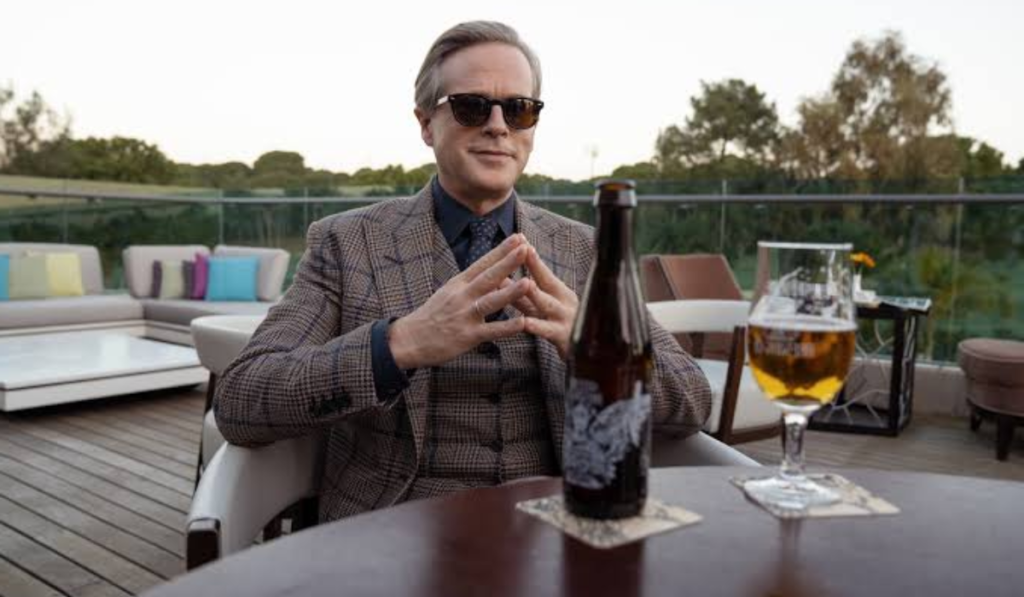
Cary Elwes comes from a family with strong artistic connections. His father, Dominick Elwes, was a portrait painter, while his brothers Cassian and Damian pursued careers in film production and art. This creative environment provided an unusual foundation for a future actor. His family background also contributed to his familiarity with artistic communities from an early age. Despite these connections, his own career developed through acting opportunities and professional choices that eventually established him independently within international cinema.
Interest in Historical Stories
Cary Elwes has expressed an interest in history, and period productions have appeared repeatedly throughout his career. Movies such as Another Country, Lady Jane, The Princess Bride, and Bram Stoker’s Dracula demonstrate this connection. His comfort with historical settings may be one reason he has often been convincing in roles requiring formal speech, period costumes, or traditional heroic qualities. At the same time, he has deliberately moved beyond those roles to avoid being permanently identified with one particular screen image.
Acting Style and Versatility
The career of Cary Elwes is notable for its variety. He has played romantic heroes, comedic leads, villains, doctors, detectives, historical figures, fantasy characters, and supporting roles. His performances often combine confidence with humor, but he has also demonstrated the ability to portray darker and more serious personalities. This versatility has helped him remain employable across changing Hollywood trends. From 1980s period dramas to modern streaming series, his career reflects an ability to adapt without abandoning the distinctive charm that audiences recognize.
Major Career Achievements
Cary Elwes’ achievements include memorable roles in some of the most recognizable films of several decades. The Princess Bride remains his signature performance, while Robin Hood: Men in Tights, Twister, Liar Liar, and Saw expanded his reputation across different genres. He has also accumulated extensive television credits and participated in major modern franchises. Industry databases list numerous acting credits across film and television, reflecting a career that has remained remarkably consistent since the late 1970s.
Why Fans Still Remember Him
The enduring appeal of Cary Elwes comes largely from the variety of characters he has brought to audiences. Westley remains beloved because the character combines romance, bravery, wit, and adventure. Meanwhile, roles in comedy and horror show that Elwes can successfully reinvent his screen personality. His continued appearances in new productions have also helped introduce him to younger audiences. As older films remain popular through streaming and home media, his most recognizable performances continue to attract new viewers around the world.
Career Across Generations
Few actors maintain visibility across as many entertainment eras as Cary Elwes. He began working when theatrical films and traditional television dominated popular entertainment. Later, he adapted to cable television, major franchises, streaming services, and contemporary action films. This longevity reflects both professional discipline and an openness to different opportunities. His career also illustrates how a performer can become associated with one iconic role while continuing to build a substantial body of work beyond it.
Recent Professional Work
In recent years, Cary Elwes has continued appearing in film and television projects. His credits include productions from established franchises as well as contemporary independent and studio projects. His appearance in Mission: Impossible – The Final Reckoning demonstrates that his career remains connected to major international cinema. At the same time, his earlier performances continue to receive renewed attention through anniversaries, streaming platforms, and fan communities.
Legacy of The Princess Bride
The cultural legacy of Cary Elwes is closely connected to The Princess Bride. The film developed from a modest theatrical release into a beloved cult classic that has remained popular for decades. Westley became one of Elwes’ defining roles because the performance balanced sincerity with comedy. The film’s lasting popularity has ensured that new generations continue discovering his work. Elwes’ later memoir and continued public connection to the movie have further strengthened the relationship between the actor, the character, and the film’s loyal audience.
Influence on Modern Pop Culture
Cary Elwes has become part of popular culture through characters that remain recognizable long after their original releases. Westley’s lines and personality from The Princess Bride are frequently referenced, while his performances in Saw, Twister, and Robin Hood: Men in Tights continue to appear in discussions of influential genre entertainment. His career illustrates how actors can become associated with multiple fan communities at once. Fantasy viewers, comedy audiences, horror fans, and television audiences have all encountered different sides of his work.
Final Thoughts on Cary Elwes
Cary Elwes represents the kind of long-lasting acting career built through versatility rather than a single formula. From London beginnings and early period dramas to The Princess Bride, major studio comedies, horror franchises, television series, and modern blockbusters, he has continually explored new opportunities. His ability to move between genres has kept his work relevant for more than four decades. His legacy rests not only on Westley but also on the many different characters that have demonstrated his range, professionalism, humor, and lasting appeal.
Frequently Asked Questions
1. Who is Cary Elwes?
- Cary Elwes is an English actor best known for The Princess Bride, Robin Hood: Men in Tights, Twister, Liar Liar, and Saw.
2. When was Cary Elwes born?
- He was born on October 26, 1962, in Westminster, London, England.
3. What is Cary Elwes best known for?
- He is especially famous for playing Westley in the 1987 fantasy comedy The Princess Bride.
4. Is Cary Elwes married?
- Yes, he has been married to photographer Lisa Marie Kurbikoff since 2000, and they have one child.
5. What are some famous Cary Elwes movies?
- His notable movies include The Princess Bride, Robin Hood: Men in Tights, Twister, Liar Liar, Saw, Bram Stoker’s Dracula, and Mission: Impossible – Dead Reckoning Part One.
For additional background, readers can explore the Cary Elwes Wikipedia page for related biographical and career information.