
 admin
admin
Introduction to the Screen and Stardom
Ken Watanabe has consistently captivated global audiences through his commanding screen presence, deep emotional gravity, and remarkable journey from classical Japanese theatre to becoming one of the most respected international film stars in modern history. Born in Koide, Niigata, Japan, he developed an early appreciation for the arts and music before moving to Tokyo to pursue a professional acting career. Over the decades, Ken Watanabe carved out a legendary space in global cinema by championing complex historical dramas alongside massive Hollywood blockbusters. His dedication to portraying dignified, layered individuals has earned him an Academy Award nomination, widespread critical praise, and deep global respect.
Quick Bio Details
| Quick Bio Detail | Information |
| Full Name | Kensaku Watanabe |
| Date of Birth | October 21, 1959 |
| Place of Birth | Koide, Niigata, Japan |
| Occupation | Actor, Producer |
| Years Active | 1982 – Present |
| Notable Film Roles | The Last Samurai, Letters from Iwo Jima, Inception, Godzilla, The Creator |
| Notable TV Roles | Dokuganryū Masamune, Tokyo Vice |
| Academy Awards | Best Supporting Actor Nominee (The Last Samurai, 2004) |
| Children | Anne Watanabe, Michitaka Watanabe |
Early Life and Introduction to Theatre
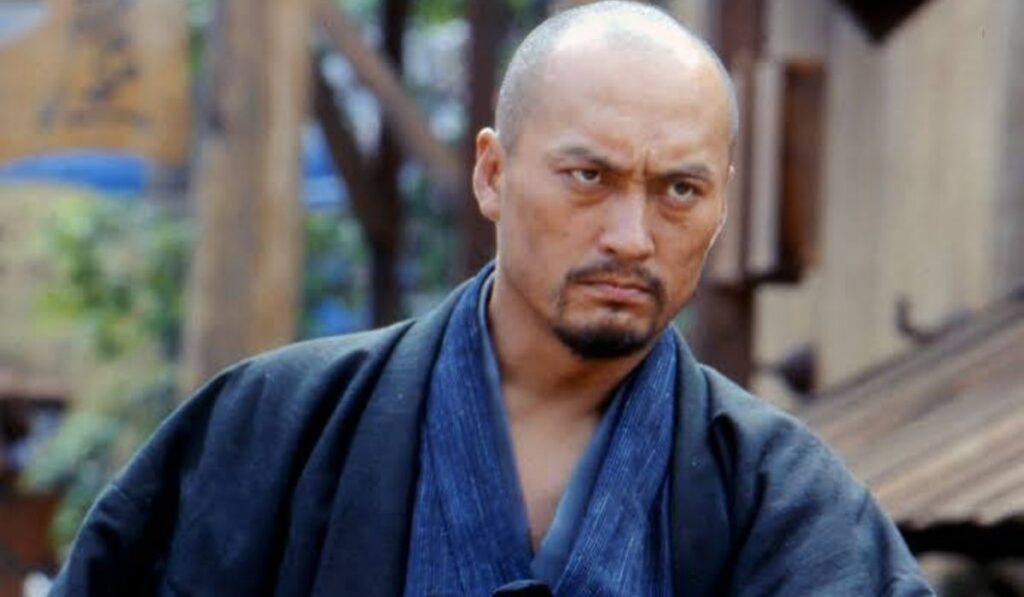
Growing up in the snowy countryside of Niigata prefecture, Ken Watanabe initially focused on music, playing the trumpet with dreams of becoming a professional musician. However, after enrolling at actor training schools and joining Tokyo’s prestigious theatrical troupe En, he discovered a profound passion for dramatic performance. Immersed in rigorous stage training, he learned how to command an audience using physical stillness, vocal precision, and intense emotional discipline. Long before achieving international cinematic fame, Ken Watanabe absorbed the foundations of classical Japanese theatre, preparing himself for a rapid ascent through the professional entertainment world.
Breakthrough Success in Japanese Television and Taiga Dramas
His early professional career gained massive momentum through his powerful work in Japanese television, particularly starring in NHK’s renowned historical Taiga dramas. Playing legendary historical figures like Date Masamune in Dokuganryū Masamune made Ken Watanabe a household name across Japan during the late 1980s. His authoritative presence and fierce intensity set a new standard for period television acting. These foundational television milestones proved that Ken Watanabe possessed the classical training and natural gravitas required to anchor epic historical narratives with total authority.
Overcoming Early Health Adversities
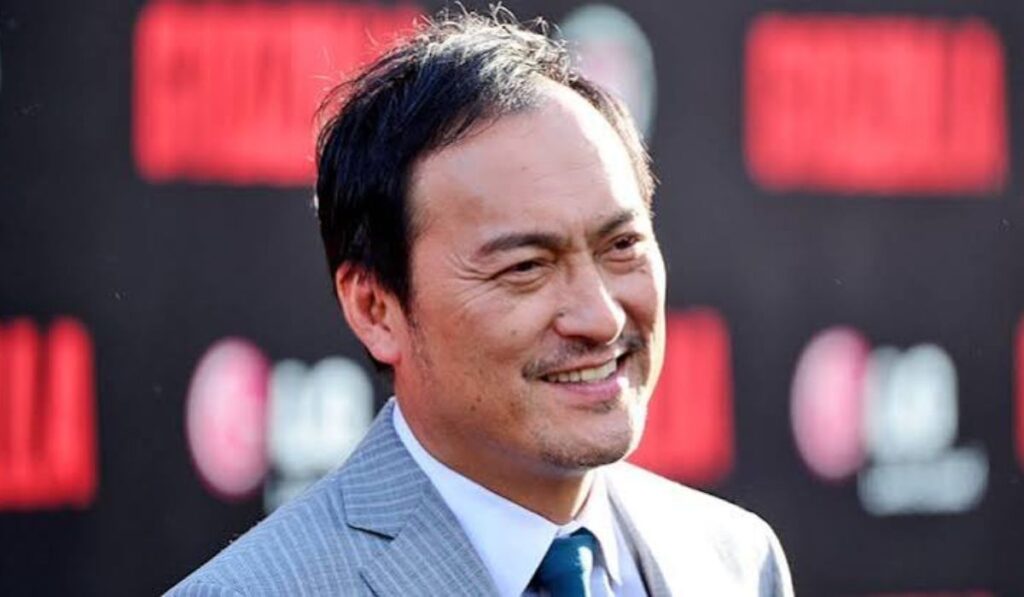
At the height of his early television stardom, Ken Watanabe faced a devastating personal challenge when he was diagnosed with acute myeloid leukemia at just thirty years old. Undergoing aggressive medical treatments and temporary career hiatuses, he fought courageously to beat the illness, only to face a recurrence a few years later. His inspiring resilience and recovery transformed his personal perspective on life and art. This profound health battle instilled in him an extraordinary inner strength and deep emotional maturity that would later define the quiet dignity of his most iconic cinematic performances.
International Breakthrough in The Last Samurai
His monumental breakthrough on the global film stage arrived when director Edward Zwick cast him as Lord Katsumoto Moritsugu in the historical epic The Last Samurai. Starring alongside Tom Cruise, Ken Watanabe delivered a mesmerizing, soulful performance that explored the twilight of the samurai code. Critics and international audiences were completely captivated by his powerful screen presence and emotional depth. The role earned him a Best Supporting Actor Academy Award nomination, instantly transforming Ken Watanabe into a celebrated global heavyweight and opening doors to major Hollywood productions.
Working with Clint Eastwood in Letters from Iwo Jima
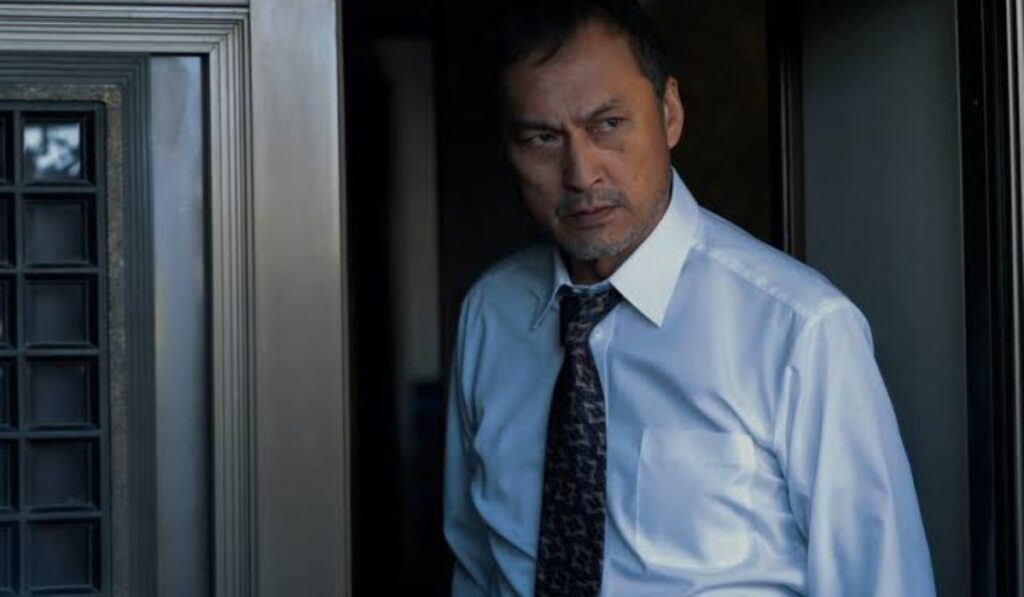
Collaborating with legendary filmmaker Clint Eastwood brought Ken Watanabe into prestige historical cinema when he starred as General Tadamichi Kuribayashi in Letters from Iwo Jima. Portraying the brilliant, humane Japanese commander defending the island against American forces required incredible nuance, tactical intelligence, and tragic depth. Entirely performed in Japanese, the war masterpiece received widespread critical acclaim and an Academy Award nomination for Best Picture. His towering performance showcased his unmatched ability to humanize historical figures caught in the machinery of war.
Blockbuster Stardom in Christopher Nolan’s Inception
Stepping into high-concept Hollywood blockbusters, Ken Watanabe joined visionary director Christopher Nolan twice—first briefly as a decoy in Batman Begins, and then as the powerful billionaire Mr. Saito in the mind-bending sci-fi thriller Inception. Anchoring the cerebral dream-infiltration plot with executive authority, he added immense dramatic stakes to the narrative. The film became a massive global cultural phenomenon and a box-office titan. This high-profile role proved that Ken Watanabe could seamlessly bridge high-brow historical dramas with sleek, cerebral Hollywood action spectacles.
Bringing Godzilla Back to Life in Hollywood
Helming a major franchise reboot, Ken Watanabe starred as scientist Dr. Ishiro Serizawa in Legendary Pictures’ monster-verse launch Godzilla and its sequel Godzilla: King of the Monsters. Playing a deeply reverent scientist attempting to understand and protect the legendary titans, he brought genuine philosophical weight to creature-feature cinema. His emotional delivery of the iconic character’s themes resonated strongly with monster movie fans worldwide. This successful blockbuster run highlighted his unique ability to lend prestige and gravity to large-scale pop-culture spectacles.
Triumph on Broadway in The King and I
Demonstrating his formidable musical and theatrical range, Ken Watanabe made his triumphant Broadway debut starring as King Mongkut in the Lincoln Center revival of Rodgers and Hammerstein’s The King and I. Learning the massive theatrical role entirely in English, he commanded the New York stage with regal authority, warmth, and exquisite comedic timing. His powerhouse performance earned him a Tony Award nomination for Best Actor in a Musical, proving that his classical stage roots remained as sharp and powerful as ever on international soil.
Portraying Real-Life Heroes in Fukushima 50
Returning to Japanese cinema to tackle a vital national tragedy, Ken Watanabe starred as plant superintendent Masao Yoshida in the harrowing disaster drama Fukushima 50. Chronicling the brave workers who stayed behind to prevent a total meltdown following the 2011 earthquake and tsunami, he delivered a masterclass in quiet heroism. His grounded, empathetic performance captured the heavy burden of leadership under catastrophic pressure. The film received immense critical praise in Japan, cementing his role as a unifying cultural actor.
Venturing into Prestige Television with Tokyo Vice
Television offered Ken Watanabe another magnificent platform to showcase his dramatic maturity through the gritty HBO Max crime series Tokyo Vice. Playing seasoned Tokyo detective Hiroto Katagiri, who takes an American journalist under his wing, he delivered a brilliant, world-weary performance. As both lead actor and executive producer, he helped shape the authentic neo-noir atmosphere of the show. His gripping work on the multi-season crime drama received rave international reviews, expanding his legacy into prestige streaming television.
Voice Acting and Animated Masterpieces
Beyond live-action cinema, Ken Watanabe has frequently lent his resonant, authoritative voice to acclaimed animated features and English-dubbed foreign projects. Whether voicing characters in Wes Anderson’s whimsical Isle of Dogs, narrating historical documentaries, or voicing roles in family adventure films like Kensuke’s Kingdom, his vocal delivery remains instantly recognizable. These selective voice acting ventures highlight his willingness to experiment across diverse artistic mediums outside of traditional live-action dramas.
Collaborations with Global Auteurs
Working alongside legendary filmmakers from both East and West has continuously refined the artistic sensibilities of Ken Watanabe throughout his expansive career. From Christopher Nolan and Clint Eastwood to Martin Scorsese (through production connections) and Gareth Edwards, top directors actively seek out his unique blend of discipline and emotional depth. Each visionary filmmaker brings out fresh facets of his immense talent, ensuring his filmography remains remarkably rich and varied across multiple continents and languages.
Philanthropy and Disaster Relief Activism
Beyond his immense success on screen, Ken Watanabe dedicates significant personal time and resources to meaningful philanthropic causes, particularly disaster relief. Following the devastating 2011 Tōhoku earthquake and tsunami, he spearheaded numerous fundraising initiatives and established a café project in Minamisanriku to support local community rebuilding efforts. Additionally, he frequently supports cancer awareness campaigns, drawing from his own personal health victories. This hands-on activism demonstrates that his public influence drives genuine, compassionate societal change.
Personal Life and Family Legacy
Despite spending decades under the relentless glare of international media scrutiny, Ken Watanabe maintains a grounded, family-oriented personal life. As the father of talented actors, including his daughter Anne Watanabe, he takes immense pride in seeing the creative arts flourish across his family tree. Choosing to divide his time between homes in Japan and the United States allows him to stay deeply connected to his cultural roots while managing global film schedules. This balanced lifestyle ensures he stays firmly grounded amidst fame.
Evolution of His Acting Style
Over the course of his career, the acting style of Ken Watanabe evolved from theatrical intensity into a masterclass in minimalist stillness and micro-expressions. Famous for conveying complex internal storms simply through a subtle tilt of the head or a piercing glance, he relies heavily on the power of silence. Film analysts frequently study his performances to see how he bridges traditional Japanese stoicism with Hollywood emotional accessibility. This unique methodology makes him one of the most respected dramatic anchors working in global cinema today.
Cultural Legacy and Ambassador of Film
The cultural footprint left by Ken Watanabe spans generations of movie lovers, cementing his status as a premier bridge between Japanese and Western storytelling. From samurai epics to science fiction blockbusters and Broadway stages, his career trajectory is a masterclass in versatility and cross-cultural excellence. Peers and legendary directors frequently praise his absolute dedication on set and his dignified professionalism. This lasting impact guarantees his permanent, celebrated place in entertainment history.
Future Projects and Artistic Ambitions
Looking ahead, the future remains exceptionally bright as Ken Watanabe continues to develop ambitious new film and international projects. Fans and industry insiders eagerly anticipate his upcoming cinematic ventures, expecting the same high artistic standards that defined his past work. By continuously collaborating with visionary directors and exploring diverse storytelling genres, Ken Watanabe ensures his creative journey is far from finished. The entertainment world watches closely as he charts his exciting next steps on the silver screen.
Summary of His Multifaceted Career
From his early days in Japanese historical television to becoming an Academy Award-nominated Hollywood icon and Broadway star, the path of Ken Watanabe is extraordinary. His ability to balance blockbuster commercial success with gritty international art-house projects marks him as a truly generational talent. Whether he is commanding a Christopher Nolan sci-fi epic, investigating the yakuza in Tokyo, or advocating for disaster victims, Ken Watanabe leaves an indelible mark. Ultimately, he stands as a towering pillar of modern artistic excellence and professional grace.
Conclusion and Continuing Influence
As the cinematic and cultural landscape continues to evolve, the enduring contributions of Ken Watanabe ensure his permanent place in human history. His dedication to truth, character complexity, and cross-cultural storytelling sets a gold standard for public figures everywhere. Fans, critics, and aspiring actors will undoubtedly continue celebrating his brilliance as they look toward his newest creative frontiers. The legacy of Ken Watanabe serves as a powerful reminder of how discipline, talent, and emotional depth can move the human spirit forward.
Frequently Asked Questions
- Q1: What film earned Ken Watanabe his Academy Award nomination?
- A1: He received a Best Supporting Actor nomination for his portrayal of Lord Katsumoto in The Last Samurai (2003).
- Q2: Which legendary American director cast him in Letters from Iwo Jima?
- A2: He was cast and directed by Clint Eastwood.
- Q3: Did Ken Watanabe perform on Broadway?
- A3: Yes, he starred as King Mongkut in the Broadway revival of The King and I, earning a Tony Award nomination.
- Q4: What streaming crime series did he star in as Detective Katagiri?
- A4: He starred in the HBO Max neo-noir series Tokyo Vice.
- Q5: Where was Ken Watanabe born and raised?
- A5: He was born and raised in Koide, Niigata Prefecture, Japan.