 admin
admin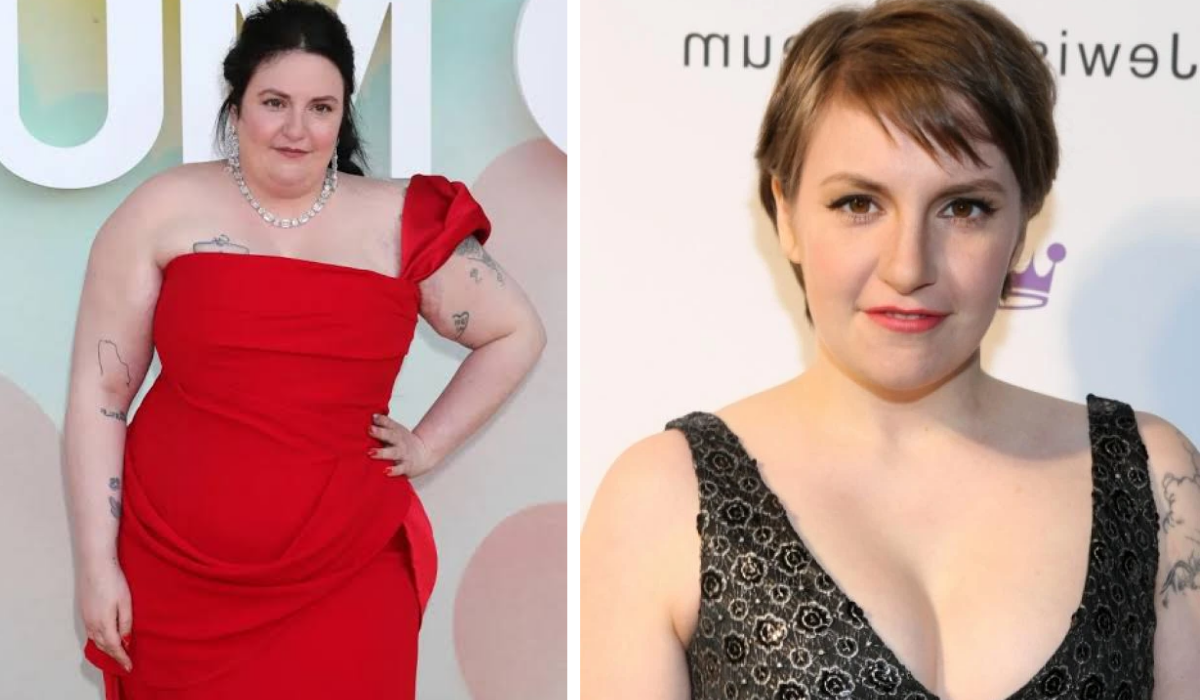
Introduction to Lena Dunham Weight
Lena Dunham has spent much of her public life challenging traditional ideas about beauty, femininity, and celebrity bodies. Discussions surrounding Lena Dunham Weight became especially prominent because her appearance changed during different periods of her career, while her own comments often challenged the assumption that a thinner body automatically means better health. Her story is more complicated than a simple before-and-after transformation. It involves body image, chronic health problems, emotional experiences, public scrutiny, and changing attitudes toward wellness. Understanding her journey requires looking beyond numbers and considering what she has said about her relationship with her body.
| Quick Bio | Details |
|---|---|
| Full Name | Lena Dunham |
| Born | May 13, 1986 |
| Birthplace | New York City, United States |
| Profession | Writer, actress, director, producer |
| Best Known For | Girls |
| Major Work | Girls, Tiny Furniture, Not That Kind of Girl |
| Focus Topic | Lena Dunham Weight |
| Nationality | American |
Early Life and Body Image
Lena Dunham has spoken about developing a complicated relationship with her body from a young age. In interviews, she described adolescence as a period when gaining weight changed how she viewed herself and how she believed other people viewed her. These experiences influenced her understanding of appearance and social expectations. Instead of treating body size as a simple personal issue, Dunham has frequently connected it with culture, confidence, gender expectations, and media pressure. Her early experiences eventually became part of the broader perspective she brought into her creative work.
Lena Dunham Weight During Her Teenage Years
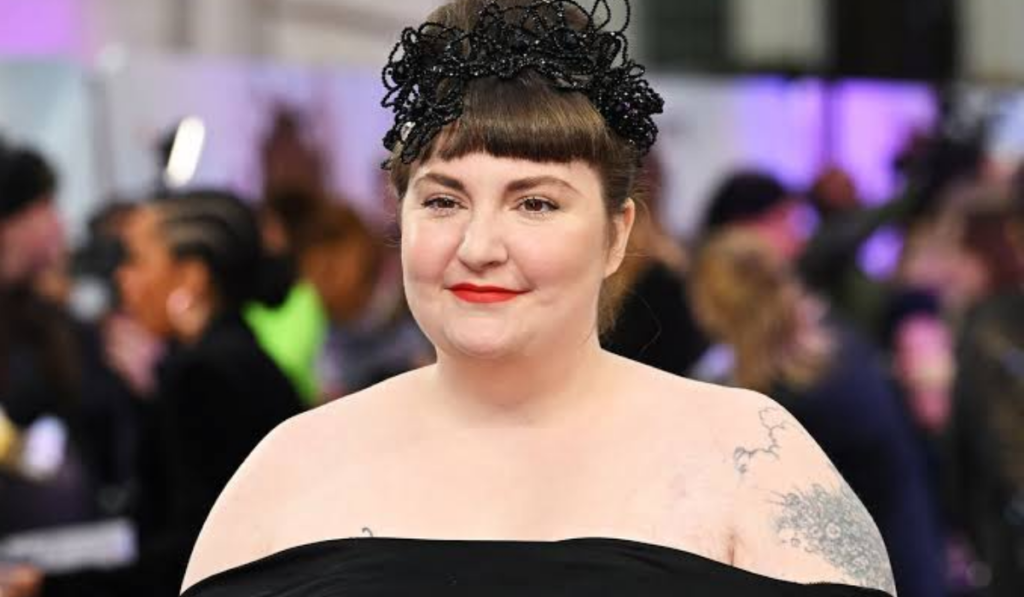
Teenage experiences helped shape Dunham’s later approach to body image. She has recalled feeling different after her body changed during adolescence and described using fashion, hairstyles, and other forms of self-expression to develop confidence. Her memories illustrate how quickly young people can associate physical appearance with identity and social acceptance. Rather than presenting her younger years as a straightforward weight-loss story, it is more accurate to see them as part of a long emotional journey. Her experiences later informed the candid way she discussed bodies in interviews and creative projects.
The Influence of Girls
The television series Girls placed Dunham at the center of international attention. As the show’s creator, writer, director, and star, she became one of television’s most recognizable young creative voices. Lena Dunham character, Hannah Horvath, was intentionally presented as imperfect and realistically human. The series challenged expectations about what a female lead should look like on television. Dunham’s willingness to appear on screen without conforming to conventional Hollywood beauty standards became a major part of the show’s cultural conversation and made her body a frequent topic in entertainment coverage.
Why Her Body Became a Public Topic of Lena Dunham
Celebrity culture often turns appearance into a subject of constant discussion. Dunham experienced this intensely as media outlets commented on changes in her body during different stages of her career. She has questioned why strangers feel entitled to celebrate or criticize a woman’s physical appearance without knowing what is happening privately. Her experience demonstrates how weight discussions can become disconnected from health. A visible change may result from countless factors, including stress, medication, illness, lifestyle changes, or emotional circumstances. Therefore, appearance alone cannot explain someone’s physical condition.
Lena Dunham Weight and Public Expectations
The conversation around Lena Dunham Weight has frequently reflected Hollywood’s complicated relationship with female appearance. Dunham has challenged the idea that women should automatically receive praise when they become thinner. She has also discussed how uncomfortable it can be when people celebrate a physical change without understanding what caused it. Her comments encourage a more thoughtful approach to celebrity culture. Instead of assuming that weight loss represents success, audiences can recognize that bodies naturally change and that health cannot reliably be measured by appearance alone.
A Major Weight Change in 2018
In 2018, Dunham publicly discussed gaining weight after a period when she had become significantly thinner. She contrasted the two periods by explaining that her thinner body was associated with serious emotional and physical difficulties, while her larger body represented a period when she felt happier and freer. Contemporary reporting quoted the weights she shared at the time, but those figures should be understood as historical self-reported numbers rather than a current measurement. The larger lesson was her rejection of the assumption that being thinner automatically means being healthier.
The Meaning Behind Her Weight Gain
Lena Dunham’s discussion of weight gain was important because it challenged a common cultural assumption. Many people automatically interpret weight loss as positive and weight gain as negative. Lena Dunham experience demonstrated why that approach can be misleading. A person’s body can become smaller during a period of stress or illness and larger during a period of recovery or improved wellbeing. The emotional meaning behind physical changes can therefore be completely different from what observers assume. Dunham’s story encouraged audiences to think about health in a broader and more compassionate way.
Lena Dunham Weight and Body Positivity
Body positivity has been an important part of Dunham’s public identity. However, her views have never been limited to saying that everyone should feel positive about their appearance every day. Instead, her comments have often emphasized body acceptance and freedom from constant judgment. She has acknowledged that body image can remain complicated even for people who publicly support body positivity. This makes her perspective relatable because acceptance does not always mean loving every aspect of one’s appearance. Sometimes it means refusing to let appearance determine personal value.
Health Problems and Physical Changes
Dunham’s physical health history provides important context for discussions about her appearance. She has publicly discussed endometriosis and other serious health challenges, including Ehlers-Danlos syndrome. These conditions affected different periods of her life and contributed to significant medical treatment. Lena Dunham experiences show why it can be dangerous to judge someone’s health based only on photographs. Chronic conditions can influence energy, mobility, stress, appetite, sleep, and overall wellbeing. Consequently, public discussions about her body need to recognize the broader medical and emotional context behind visible changes.
The Impact of Endometriosis of Lena Dunham
Endometriosis became a major part of Dunham’s health story. She underwent multiple procedures before ultimately having a hysterectomy at age 31. Her decision and the circumstances surrounding it received extensive public attention because she discussed her experience openly. The condition had a profound impact on her daily life and career. Understanding this history adds important context to conversations about physical appearance. A body affected by chronic pain and major medical procedures cannot reasonably be reduced to a discussion about size, shape, or a number on a scale.
The Hysterectomy and Its Aftermath
Dunham has been candid about the emotional and physical consequences of having a hysterectomy. The procedure represented a significant turning point in her life and health journey. She has discussed the complex feelings surrounding reproductive health, pain, and the loss of her uterus. Such experiences can affect a person’s relationship with their body in ways outsiders cannot easily understand. Her openness has also helped encourage wider conversations about women’s health. Rather than presenting her body as an aesthetic object, her story emphasizes its complicated relationship with illness, treatment, identity, and recovery.
Mental Health and Body Image
Mental health is another important part of Dunham’s story. She has spoken publicly about anxiety and obsessive-compulsive disorder, as well as difficult periods involving medication and recovery. Emotional wellbeing can influence eating patterns, activity levels, sleep, and perceptions of one’s body. This does not mean every physical change should be attributed to mental health. Instead, it shows why personal wellbeing is multidimensional. Dunham’s experience illustrates how mental and physical health can intersect while also reminding readers that individual circumstances should not be reduced to assumptions based on appearance.
Food and Her Personal Relationship With Eating
Dunham has discussed having complicated feelings about food and perfection. She has acknowledged that she spent considerable time thinking about food while simultaneously challenging the media’s pressure on women to control their bodies. This contradiction is significant because body acceptance does not necessarily eliminate insecurity. People can understand intellectually that unrealistic standards are harmful while still experiencing personal struggles with those standards. Lena Dunham honesty makes her story more nuanced and demonstrates why discussions about eating and body image should avoid simplistic judgments or assumptions about another person’s private habits.
Media Attention and Celebrity Culture
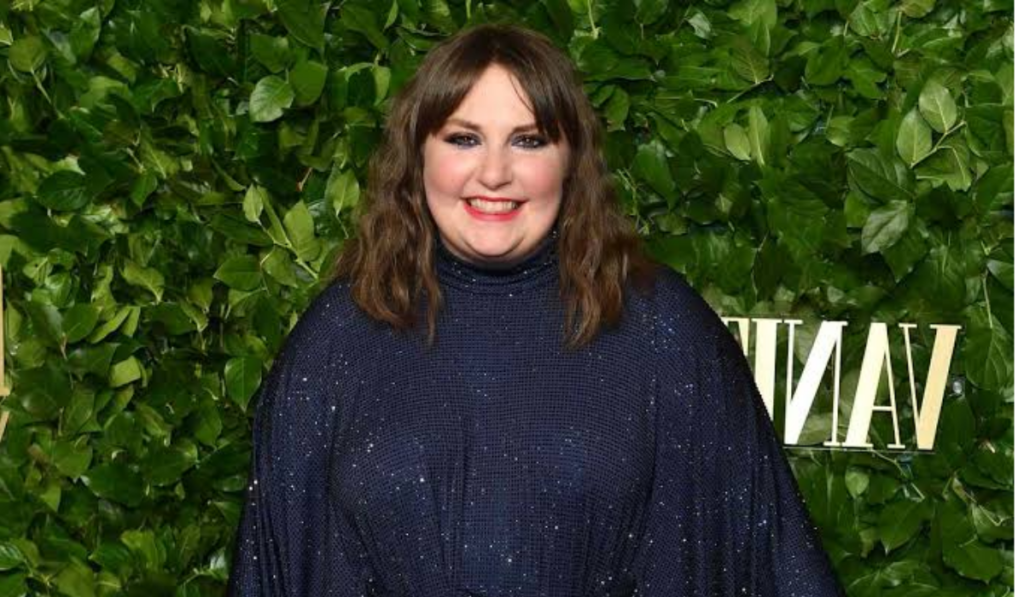
The media has repeatedly examined Dunham’s appearance throughout her career. Photographs taken at different times have sometimes been presented as evidence of dramatic transformations, even when the reasons behind those changes were unknown. This reflects a wider problem in celebrity journalism, where physical appearance can become an easy headline. Dunham’s experience highlights the human cost of that approach. A photograph captures one moment, but it cannot reveal someone’s health, emotions, medical history, or circumstances. Responsible coverage should therefore focus on verified statements rather than speculation.
Why Exact Current Weight Is Difficult to Verify
There is no reliable reason to treat an exact current weight as established simply because a number appeared in an older interview or article. Weight naturally changes over time, and celebrities do not have a permanent public measurement. Dunham has publicly shared historical figures, but those should not be presented as her current weight without recent confirmation. This distinction is particularly important for SEO articles because recycled celebrity statistics can remain online for years. Readers deserve accurate information rather than outdated numbers presented as current facts.
Lena Dunham Weight and the Problem With Numbers
A number on a scale tells only a limited part of a person’s physical story. It does not describe fitness, emotional wellbeing, medical conditions, strength, or quality of life by itself. Dunham’s public comments provide a useful example of why numerical comparisons can be misleading. At one point, she described being thinner while experiencing serious difficulties, whereas later she described feeling happier after gaining weight. Lena Dunham story challenges the assumption that one number can summarize a person’s health or happiness.
Fashion and Confidence of Lena Dunham
Fashion has also played a role in Dunham’s public relationship with her body. Throughout her career, she has appeared in clothing that reflects her personal taste rather than always following conventional expectations for Hollywood actresses. Lena Dunham willingness to experiment with style became another way of communicating confidence and individuality. Clothing does not need to hide a body to be considered fashionable. Dunham’s approach has encouraged conversations about representation and the freedom to dress according to personality rather than according to narrow assumptions about what different body types should wear.
Changing Attitudes Over Time
Dunham’s perspective has evolved as she has experienced different stages of adulthood, fame, illness, relationships, and recovery. This evolution is important because body image is rarely fixed. People can hold different beliefs about themselves at different ages. What matters is the ability to reassess those beliefs and develop a healthier relationship with personal identity. Lena Dunham public discussions show that body acceptance can be an ongoing process rather than a final destination. That makes her experience particularly relevant in a culture where appearance is constantly evaluated.
Lessons From Her Experience
One of the strongest lessons from Dunham’s story is that appearance does not tell the whole truth. A thinner person may be struggling, while someone who has gained weight may feel healthier and more content. Neither assumption is universally correct. The appropriate approach is to avoid judging another person’s health from photographs. Dunham’s experience also demonstrates the value of listening when people describe their own circumstances. Personal stories provide context that a photograph, headline, or social media comment can never fully communicate.
Body Image in the Social Media Era
Social media has intensified conversations about celebrity bodies. Images can be edited, carefully selected, taken from unusual angles, or separated from the circumstances in which they were created. This environment encourages constant comparison and makes appearance seem more important than it really is. Dunham’s openness about body image provides an alternative perspective. Her story encourages people to question why they react so strongly to physical changes. Instead of treating every transformation as something to celebrate or criticize, audiences can recognize that bodies are naturally dynamic.
Her Influence on Representation
Dunham’s influence extends beyond discussions about her own appearance. Through Girls and other creative projects, she helped expand the range of female characters represented on mainstream television. Her work frequently explored insecurity, sexuality, friendship, ambition, and personal mistakes without requiring characters to fit conventional beauty ideals. This approach contributed to broader conversations about representation. Her willingness to portray imperfect characters also helped demonstrate that women do not need to look or behave perfectly to deserve central roles in stories.
What Her Story Says About Health
The story surrounding Lena Dunham Weight ultimately points toward a larger understanding of health. Wellness involves physical condition, mental wellbeing, medical care, relationships, rest, nutrition, mobility, and quality of life. Weight can be one health measurement, but it cannot independently define the entire picture. Dunham’s experiences with chronic illness and recovery make this distinction especially important. Her public comments encourage readers to think about health as an individual and evolving experience rather than a competition based on body size.
Avoiding Celebrity Weight Speculation
Celebrity weight speculation can be harmful because it encourages people to believe that appearance is public property. Even when a person is famous, their body remains personal. Responsible readers should distinguish between information someone has voluntarily shared and assumptions made by outsiders. This is particularly important when discussing health-related changes. A respectful article should prioritize direct statements, credible reporting, and historical accuracy. It should not turn photographs into medical evidence or present rumors as established facts.
Current Perspective on Her Body
In recent years, Dunham has continued discussing health, fame, and her complicated relationship with her body. Her newer reflections place earlier experiences within a broader story about illness and celebrity. She has described reaching a better place with her health while recognizing that chronic conditions can remain an ongoing process. This perspective is more useful than focusing on a single measurement. It shows that personal wellbeing can improve even when health remains imperfect, and that recovery does not always follow a straight or predictable path.
Lena Dunham Weight and Personal Acceptance
The most meaningful part of Lena Dunham Weight discussions is not the number itself but what her experiences reveal about self-acceptance. She has repeatedly challenged the idea that a woman should receive praise simply for becoming thinner. Her story demonstrates that physical changes can have complicated causes and meanings. A healthier relationship with the body may involve accepting change, rejecting unnecessary judgment, and focusing on what allows someone to live meaningfully. This approach moves the conversation away from celebrity gossip and toward a more respectful understanding of wellbeing.
Career Beyond Girls
Although Girls remains central to Dunham’s career, her work extends far beyond that series. She has written books, directed films, acted in television projects, developed new creative productions, and continued writing about personal experiences. Her career demonstrates that public conversations about her appearance represent only one small part of her professional identity. Her achievements as a creator deserve attention independently of physical appearance. Focusing too heavily on weight risks overlooking the creativity, writing, directing, and cultural influence that have defined her professional life.
Why Her Story Still Matters
Dunham’s story remains relevant because society continues to debate body size, beauty standards, and health. The rise of social media and modern weight-loss culture has made these discussions even more complicated. People are increasingly exposed to before-and-after photographs and rapid transformations without knowing the circumstances behind them. Dunham’s experience offers an important reminder that bodies are not simple projects. They are connected to biology, emotions, medical experiences, age, stress, and everyday life. That broader perspective can encourage more responsible conversations about health and appearance.
Final Thoughts on Lena Dunham Weight
The discussion of Lena Dunham Weight is ultimately about much more than kilograms or pounds. Her public journey demonstrates how body image can intersect with fame, illness, mental health, relationships, media expectations, and personal growth. Historical numbers may provide context, but they should never become the entire story. Dunham has consistently encouraged audiences to question assumptions about what a healthy or successful body should look like. Her experience offers a valuable lesson: a person’s worth, creativity, happiness, and identity cannot be accurately measured by the number displayed on a scale.
FAQs
1. What is Lena Dunham Weight? — Answer: There is no reliably verified current public figure; Dunham has discussed different historical weights at different times.
2. Did Lena Dunham publicly discuss weight changes? — Answer: Yes, she has openly discussed body changes and the different circumstances surrounding them.
3. Why did her weight become a media topic? — Answer: Her appearance changed during different periods of her career, attracting considerable celebrity-media attention.
4. Did health issues affect her body journey? — Answer: Yes, Dunham has publicly discussed significant health challenges, including endometriosis and Ehlers-Danlos syndrome.
5. What is the main lesson from her body image story? — Answer: Appearance alone cannot determine someone’s health, happiness, or personal worth.
For additional background about the actress, writer, and filmmaker, readers can explore the related Wikipedia biography of Lena Dunham for broader information about her life and career.