 admin
admin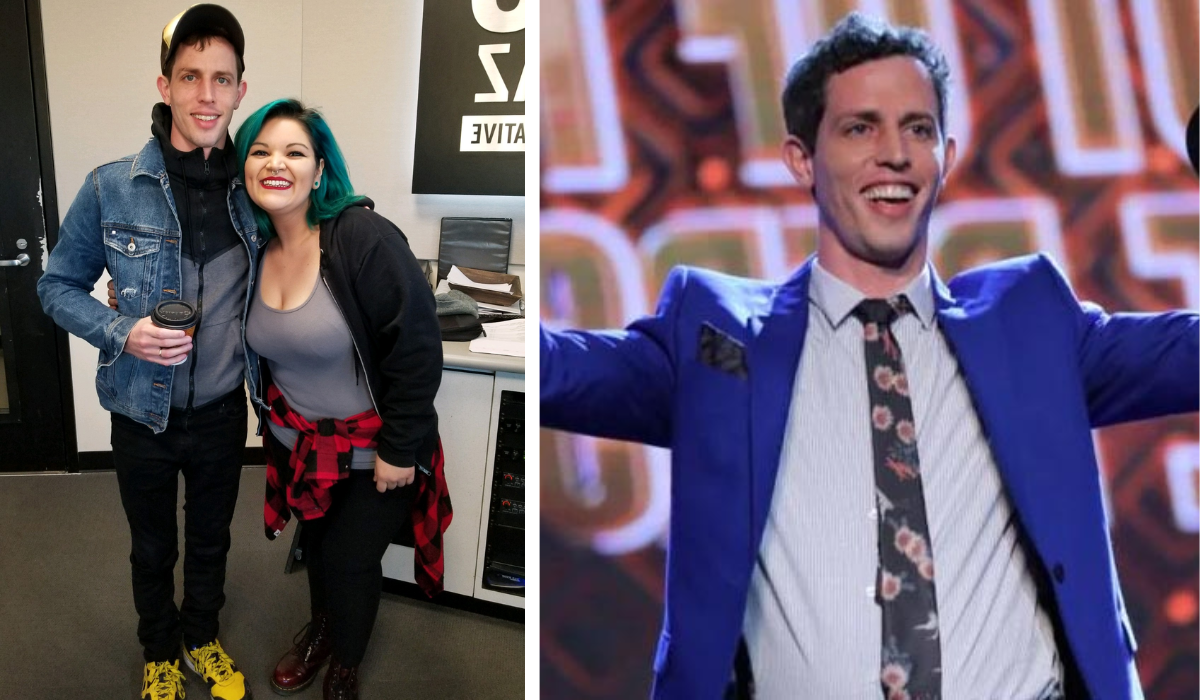
Tony Hinchcliffe is an American stand-up comedian, writer, and podcast host known for roast comedy, sharp crowd work, and dark humor. Born in Youngstown, Ohio, on June 8, 1984, he developed his career through the Los Angeles comedy scene before becoming a recognizable voice in modern live podcasting. His work combines prepared jokes with spontaneous audience interaction, creating a style that can feel unpredictable and deliberately provocative. Over time, his career has expanded from comedy clubs and television writing into international touring, streaming specials, and the highly successful Kill Tony platform.
Quick Bio
| Detail | Information |
|---|---|
| Full name | Tony Hinchcliffe |
| Birth date | June 8, 1984 |
| Birthplace | Youngstown, Ohio, United States |
| Profession | Comedian, writer, podcast host |
| Known for | Kill Tony, roast comedy, stand-up |
| Active since | 2007 |
| Major comedy venue | Comedy Mothership |
| Notable special | One Shot |
| Current focus | Stand-up, live podcasting, touring |
Early Life and Ohio Roots
Tony Hinchcliffe grew up in Youngstown, a city that he has described as a difficult environment that shaped his outlook and sense of humor. He attended Ursuline High School and graduated in 2003. During his younger years, he discovered that jokes and verbal quickness could help him handle uncomfortable situations. That early relationship with humor later became central to his professional identity. His background gave him an appreciation for edgy observations, strong personalities, and the unpredictable energy that eventually became important parts of his stage work.
Moving to Los Angeles
Tony Hinchcliffe moved to Los Angeles in 2007 to pursue comedy professionally. He began performing at open mics at The Comedy Store in West Hollywood, one of the most influential comedy venues in the United States. His early years involved working around the club while steadily improving his stand-up material. Rather than becoming successful overnight, he developed through repeated performances, networking, writing, and learning how experienced comedians controlled a room. The Los Angeles scene became an important training ground where his distinctive approach to roast humor could develop.
The Comedy Store Experience
The Comedy Store played a major role in shaping the comedian as a performer. The club gave him an environment where comedians could experiment with material, test controversial ideas, and learn how to react when jokes failed. He became known for insulting fellow comics and audience members in a playful but aggressive roast style. This experience strengthened his timing and confidence. It also helped him understand that successful crowd work requires more than quick insults; it depends on observation, rhythm, listening, and knowing when to push a joke and when to move on.
Rise as a Roast Writer
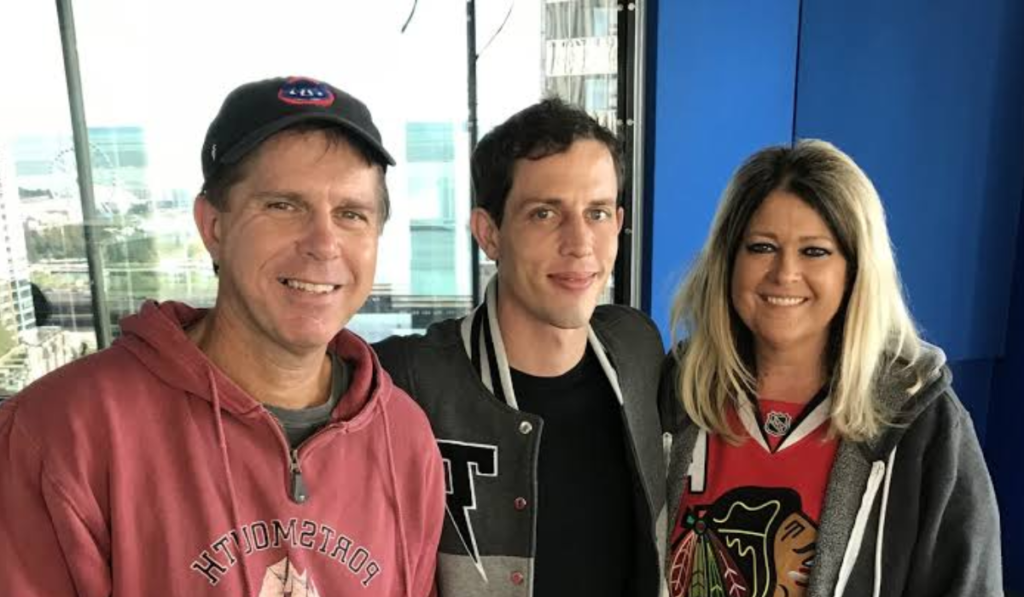
The comedian also developed an impressive reputation behind the scenes. He wrote for several Comedy Central Roasts, including events involving James Franco, Justin Bieber, and Rob Lowe. Writing roast material requires concise jokes, strong character knowledge, and an understanding of how far a performer can push a subject. His work in this area helped establish him as more than a stand-up comedian. It demonstrated his ability to create material for different personalities while maintaining a recognizable comedic edge. This writing experience later influenced his live interviews, punchlines, and fast responses.
Relationship With Jeff Ross
Jeff Ross became an important influence during the comedian’s development as a roast performer. Ross, widely associated with the title “Roastmaster General,” helped introduce him to professional writing opportunities. Their connection allowed Hinchcliffe to learn from someone deeply experienced in televised roast comedy. The relationship also reinforced the importance of timing, preparation, and confidence when delivering insults. For aspiring comedians, this part of his story shows how mentorship and professional relationships can open doors. Talent matters, but learning from established performers can accelerate a comedian’s growth and provide opportunities that are difficult to create alone.
Kill Tony Begins
In 2013, Tony Hinchcliffe launched Kill Tony with Brian Redban. The live podcast created a distinctive format: aspiring comedians could put their names into a bucket and, if selected, perform a short stand-up set before receiving feedback from the panel. The format turned an ordinary open-mic concept into an entertainment show with recurring personalities, audience reactions, jokes, interviews, and unexpected moments. Its basic idea was simple, but the combination of competition, discovery, and unpredictability gave it a strong identity. The show eventually became one of the most recognizable comedy podcasts in the world.
How Kill Tony Works
Each episode gives selected performers a limited amount of time to present material before they are interviewed by the host and guest panel. Tony Hinchcliffe often analyzes jokes, delivery, stage presence, and the performer’s overall potential. The format creates both supportive and brutally honest moments. Some comedians receive encouragement and opportunities, while others become the subject of jokes. This mixture makes the program feel different from a traditional talent competition. It also allows viewers to observe how comedians develop material, handle pressure, respond to criticism, and recover from jokes that do not land.
Impact on New Comedians
One of the strongest features of Kill Tony is its ability to introduce unfamiliar comedians to a large audience. A performer who might have remained unknown after a local open mic can suddenly gain followers, bookings, and professional attention. The comedian has repeatedly emphasized the platform’s role in giving developing comics a chance to be seen. The show has therefore become part comedy program and part discovery mechanism. Its influence extends beyond entertainment because it demonstrates how digital media can create new pathways for performers who might otherwise struggle to obtain traditional television exposure.
Move to Austin of Tony Hinchcliffe
During the major shift in the comedy industry around 2020, Tony Hinchcliffe relocated from Los Angeles to Austin, Texas. The move connected him more closely with a growing comedy community that included Joe Rogan and other performers. Kill Tony eventually found a permanent home at the Comedy Mothership, Joe Rogan’s Austin comedy club. The venue became closely associated with the program’s identity and provided a consistent setting for its live format. The Austin period marked a significant stage in the expansion of the show and its wider cultural presence.
Comedy Mothership Era
The Comedy Mothership gave Tony Hinchcliffe a dedicated environment for live comedy and podcast production. The club has become an important gathering place for established comedians, rising performers, and fans of alternative comedy formats. Hosting the show there helped preserve its live atmosphere while giving it a recognizable home. The venue also supported the broader Austin comedy ecosystem, where comedians could perform regularly and experiment with new material. For the program, having a consistent home helped create a stronger sense of community around its performers, guests, regulars, and audience.
Stand-Up Specials
Tony Hinchcliffe has released multiple comedy specials that show a different side of his work outside the podcast format. His 2016 special One Shot was released on Netflix and was notable for its single-take presentation. He later released Making Friends on YouTube, expanding his digital reach. In 2025, Kill Tony: Kill or Be Killed arrived on Netflix, connecting his live-show identity with a mainstream streaming platform. These projects demonstrate how his career has moved across traditional stand-up, online video, podcasting, and major streaming services.
Roast Comedy Style of Tony Hinchcliffe
The signature style of the comedian centers on roast comedy, where humor is built around exaggeration, personal observations, and deliberately sharp punchlines. His performances often move quickly, with little hesitation between setup and response. Supporters appreciate the confidence and unpredictability, while critics may find some jokes too provocative. That division is part of his public identity. Roast comedy requires an audience that understands the difference between a joke and a literal statement, yet the boundaries can become complicated when performances reach audiences outside a dedicated comedy club.
Crowd Work Skills
Crowd work is another important part of Tony Hinchcliffe’s performance style. Instead of relying entirely on a fixed script, he can react to audience members, their answers, clothing, behavior, or unexpected comments. Effective crowd work requires fast thinking and the ability to turn small details into concise jokes. It also creates a feeling that every performance is unique. His experience in busy comedy rooms helped him develop this skill over many years. For audiences, the appeal comes from uncertainty because nobody knows exactly what might happen when the microphone reaches an audience member.
Writing and Performance Balance
A major strength of the comedian’s career is the connection between writing and live performance. His experience preparing roast jokes taught him how to make ideas concise, while years of stand-up taught him how to deliver them naturally. Podcasting added another dimension because interviews require listening and improvisation. These skills overlap constantly. A strong joke may begin as a written line, become a stage observation, and eventually turn into an improvised response during a live show. This flexibility has helped him maintain a distinctive voice across several different entertainment formats.
Joe Rogan Connection of Tony Hinchcliffe
Tony Hinchcliffe has frequently appeared within the comedy circle associated with Joe Rogan and has toured with Rogan. Their professional connection helped expose him to a large podcast audience and contributed to his visibility beyond traditional comedy clubs. Hinchcliffe’s work also benefited from being part of a broader network of comedians who collaborate, tour, and share audiences. The relationship is best understood as part of a larger professional ecosystem rather than the sole reason for his success. His own writing, performing, and podcasting work remained central to his career development.
International Touring
Live touring has remained an important part of Tony Hinchcliffe’s career. His official biography describes him as an internationally touring comedian who performs in major clubs and theaters across different regions. Touring allows a comedian to test material against audiences with different expectations and cultural references. It also strengthens a performer’s ability to handle unpredictable rooms. In 2024, Kill Tony expanded into major venues, including performances in Los Angeles and New York. Those larger shows reflected the growing demand for the format beyond its regular comedy-club setting.
2024 Madison Square Garden Moment
The growth of Kill Tony reached a notable point when the show performed at Madison Square Garden in New York during its 2024 touring period. Moving from a comedy-club environment to a major arena represented a significant change in scale. The achievement highlighted how podcast-based comedy could develop into a large live entertainment property. For Tony Hinchcliffe, the event also reflected years of work building a loyal audience around a format that began with a simple bucket of names and short stand-up sets.
Controversies and Public Debate
Tony Hinchcliffe has faced significant criticism during his career, particularly over jokes involving race and other sensitive subjects. A 2021 performance involving an Asian American comedian generated widespread backlash and professional consequences. In 2024, comments made during a political rally again attracted national attention. These incidents illustrate the risks associated with deliberately provocative comedy. Supporters may view his approach as intentionally boundary-pushing, while critics argue that certain jokes cross ethical lines. The controversies have become an important part of discussions about comedy, free expression, context, and responsibility.
Political Rally Appearance of Tony Hinchcliffe
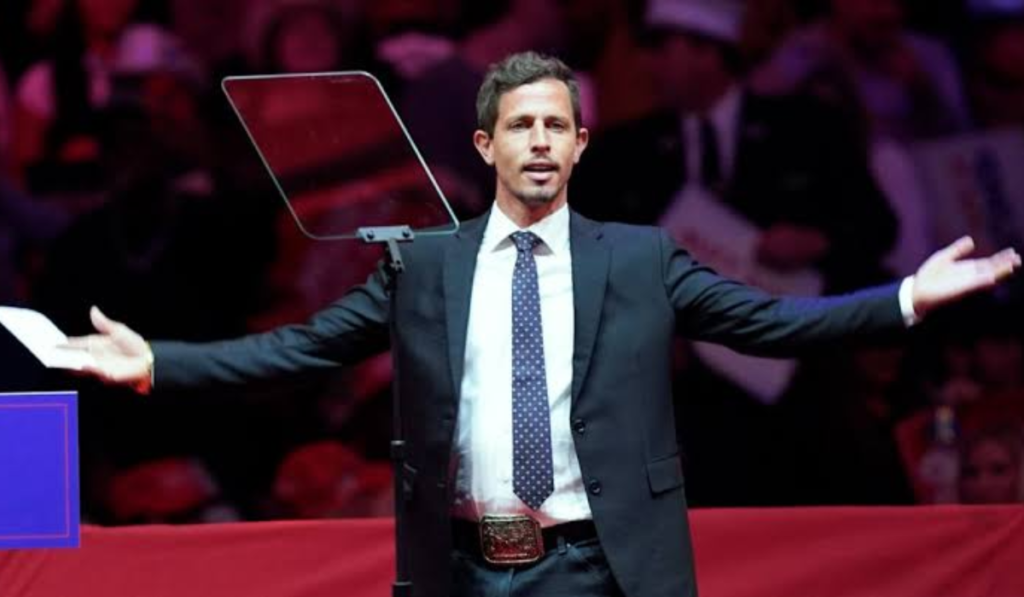
In October 2024, Tony Hinchcliffe performed at a Donald Trump campaign rally at Madison Square Garden. His remarks about Puerto Rico became widely criticized and received attention from political figures, media organizations, and entertainers. The incident demonstrated how jokes can have a different impact when delivered at a major political event rather than inside a comedy club. The appearance also introduced his style to audiences who may not normally follow stand-up comedy. Regardless of political interpretation, the episode became another major moment in the public conversation surrounding his career and comedic approach.
The 2026 Comedy Chapter
By 2026, Tony Hinchcliffe remained active in stand-up and roast comedy, with new streaming work continuing his expansion into mainstream entertainment. Netflix lists Tony Hinchcliffe: Man of the People as a 2026 stand-up special, describing it as a provocative performance where no topic is considered off-limits. The project shows that his career continues to evolve beyond the podcast format. His ability to move between live shows, streaming specials, and podcasting gives him several routes for reaching audiences while maintaining the edgy identity that has defined much of his public image.
Why His Career Matters
The career of Tony Hinchcliffe is notable because it reflects the changing structure of modern comedy. Traditional television is no longer the only route to a large audience. Podcasts, live streams, clubs, social platforms, and streaming specials can work together to build a comedian’s brand. Kill Tony is a strong example of this model because it combines live performance with digital distribution. His career also shows the importance of developing a recognizable voice. Whether audiences agree with his material or not, his style is identifiable, which is a valuable quality in a crowded entertainment market.
Influence on Comedy Podcasts
The comedian helped demonstrate that a podcast can function as a recurring live comedy event rather than simply an audio conversation. Kill Tony combines audience participation, stand-up, interviews, judging, and guest appearances into a single format. Its continuing popularity has encouraged interest in comedy podcasts that feel closer to television shows or theater productions. The program also creates a feedback loop between performers and viewers. Comedians gain exposure, viewers discover new talent, and the show gains recurring characters and stories. That structure has helped it remain relevant in the rapidly changing podcast industry.
Audience and Fan Culture
The audience around Kill Tony is an important part of its success. Fans often discuss memorable performers, guest appearances, unusual moments, and recurring jokes. The live environment creates a shared experience that is different from watching a conventional recorded special. Viewers can also follow comedians after their appearances, turning a short performance into a potential career opportunity. This community effect helps explain why the show has remained more than a weekly comedy program. It has become a recognizable entertainment brand with its own language, personalities, traditions, and expectations.
Approach to Comedy
The comedian’s approach is built around confidence, speed, observation, and willingness to approach subjects that many mainstream comedians avoid. His strongest performances often depend on timing rather than elaborate production. The simplicity of a microphone, a stage, and an audience allows the joke itself to remain central. At the same time, his willingness to provoke creates debate about where comedy should draw boundaries. That tension is not incidental to his public identity. It is one reason audiences continue to discuss his work, whether they praise the boldness or criticize the subject matter.
Career Achievements
The achievements associated with Tony Hinchcliffe include writing for major roast productions, releasing stand-up specials, performing internationally, building Kill Tony, and reaching large audiences through digital platforms. His career also includes appearances alongside prominent comedians and performances at major venues. Rather than relying on a single breakthrough, he developed across several connected areas of comedy. That gradual expansion is useful for understanding his longevity. His career demonstrates how a performer can turn specialized skills such as roasting and crowd work into a broader entertainment business with live, digital, and streaming components.
Personal Life and Privacy of Tony Hinchcliffe
Public information about the comedian focuses mainly on his professional life, comedy work, and public appearances. Like many performers, he has shared selected details about his upbringing and experiences while keeping other aspects of his private life away from the spotlight. For readers researching his biography, it is useful to separate verified public information from online speculation. Reliable profiles, official pages, interviews, and documented performances provide a stronger foundation than unsupported claims. His public identity is primarily connected to comedy, and that professional record offers enough material to understand his career without relying on rumors.
What Comes Next
The future of Tony Hinchcliffe’s career is likely to remain connected to stand-up, podcasting, roast comedy, and live entertainment. His ability to build an audience across multiple platforms gives him flexibility as the entertainment industry changes. Kill Tony can continue discovering comedians while his individual specials can reach viewers who prefer traditional stand-up. Touring can add another source of direct audience engagement. The biggest question is how he will balance provocative material with the expectations of increasingly broad audiences. Whatever direction he takes, his established style gives him a distinctive position in contemporary comedy.
Legacy in Modern Comedy
The legacy of Tony Hinchcliffe will likely be discussed through both his accomplishments and the controversies surrounding his work. His influence is particularly visible in the growth of live comedy podcasts and the opportunities created for emerging comedians. Kill Tony has become a recognizable platform for performers seeking exposure, while his roast-writing background demonstrates the value of concise joke construction. His career also raises broader questions about the limits of comedy and how context changes the meaning of controversial material. That combination of innovation, popularity, and debate makes his story unusually relevant to modern entertainment.
Final Thoughts
Tony Hinchcliffe has built a distinctive career from comedy clubs, roast writing, stand-up specials, podcasting, and international live performances. His journey from Youngstown to Los Angeles and later Austin reflects persistence and adaptation. Kill Tony became the defining achievement of his career, creating a platform where new comedians can perform before a large audience. His controversial moments remain part of the public record, but they do not erase the broader impact of his work on digital comedy. Readers who want additional background can explore the related and its references.
FAQs
- Who is Tony Hinchcliffe? – • He is an American comedian, writer, and podcast host best known for roast comedy and Kill Tony.
- When did Tony Hinchcliffe start Kill Tony? – • The live comedy podcast began in 2013 with Brian Redban.
- Where is Kill Tony based? – • The show is based at the Comedy Mothership in Austin, Texas.
- What is Tony Hinchcliffe known for? – • He is known for roast comedy, stand-up, crowd work, Comedy Central writing, and podcasting.
- What is his latest Netflix special? – • Netflix lists Tony Hinchcliffe: Man of the People as a 2026 stand-up special.