 admin
admin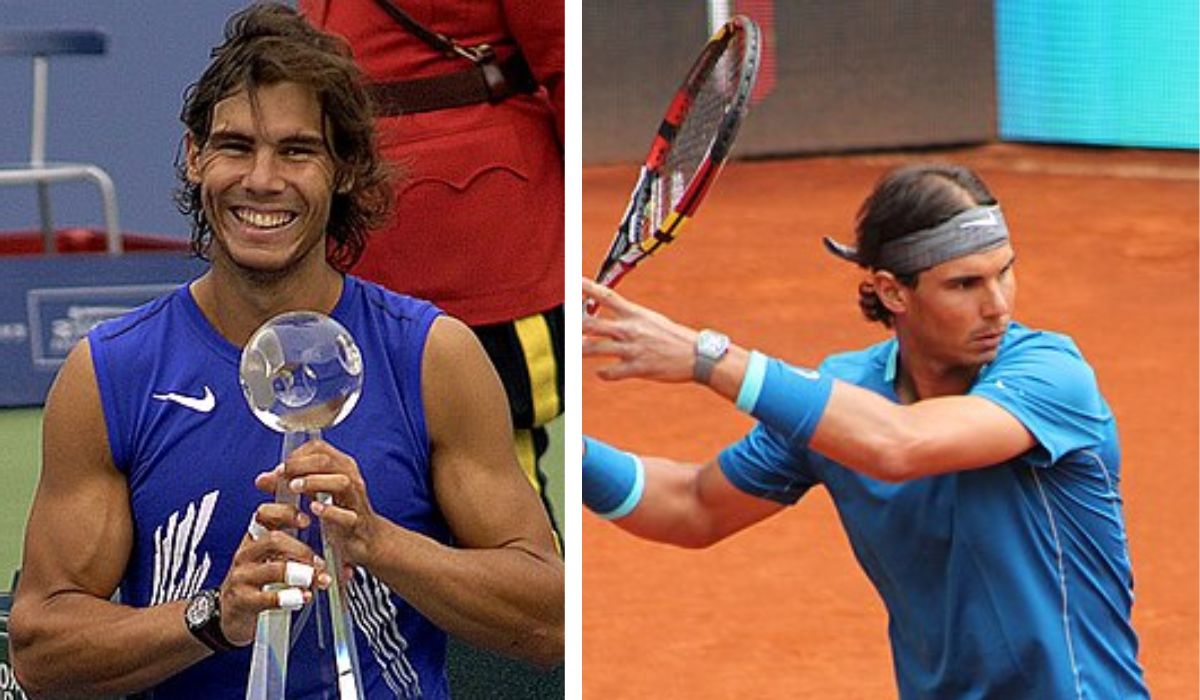
Rafael Nadal is one of the most celebrated tennis players in history, known for extraordinary determination, relentless movement, and a remarkable ability to compete under pressure. Born in Manacor, Mallorca, Spain, he developed into a global sporting icon through years of disciplined training and memorable victories. His career included 22 Grand Slam singles titles, 92 tour-level titles, Olympic gold medals, and 209 weeks as world No. 1. He retired from professional tennis in November 2024 after representing Spain at the Davis Cup, closing one of the sport’s most influential careers.
Quick Bio
| Detail | Information |
|---|---|
| Name | Rafael Nadal Parera |
| Birth date | June 3, 1986 |
| Birthplace | Manacor, Mallorca, Spain |
| Nationality | Spanish |
| Profession | Former professional tennis player |
| Turned professional | 2001 |
| Playing hand | Left-handed |
| Backhand | Two-handed |
| Career-high ranking | World No. 1 |
| Grand Slam singles titles | 22 |
| Total tour-level titles | 92 |
| Olympic gold medals | 2 |
| Retirement | November 2024 |
Early Life in Mallorca
Rafael Nadal was born on June 3, 1986, in Manacor, a town on the Spanish island of Mallorca. He grew up in a family that encouraged sport, discipline, and education. His uncle Toni Nadal became an important tennis influence during his childhood and helped shape his demanding practice habits. Football was also part of his early interests, but tennis eventually became his main path. Training on clay courts in Mallorca gave the young player a strong foundation for the surface that would later become central to his historic career.
Family and Childhood Influences
Family played a major role in Rafael Nadal’s development as an athlete and person. His parents, Sebastián Nadal and Ana María Parera, supported his ambitions while maintaining a grounded home environment. Uncle Toni served as his longtime coach and emphasized concentration, humility, and preparation. His younger sister María Isabel also remained part of his close family circle. These relationships helped create a stable foundation during his rapid rise. The values learned at home became closely associated with his public image, particularly his reputation for respect, hard work, and commitment.
Rise as a Teenage Tennis Star
Rafael Nadal turned professional in 2001 and quickly attracted attention with his powerful left-handed game. His speed, heavy topspin, and fighting spirit made him difficult to defeat even as a teenager. By 2003, he had reached the top 50 of the ATP rankings, signaling his arrival among elite players. His breakthrough continued in 2004, when he defeated established opponents and helped Spain in the Davis Cup. These performances showed that a young player from Mallorca could compete successfully against the strongest names in international tennis.
First French Open Triumph
Rafael Nadal won his first French Open title in 2005 at only 19 years old. His victory in Paris announced the arrival of a dominant clay-court champion. He defeated Mariano Puerta in the final and began a historic relationship with Roland Garros. His combination of athleticism, spin, court coverage, and mental strength was particularly effective on clay. The victory was not simply an early Grand Slam success; it established the foundation for a record-breaking run in Paris. Over the following years, his performances at the tournament became a defining feature of his career.
Dominance on Clay Courts
Clay became the surface most strongly associated with Rafael Nadal, although his achievements extended far beyond it. He developed exceptional defensive skills, transformed difficult rallies into attacking opportunities, and used heavy topspin to push opponents behind the baseline. His record at Roland Garros became especially extraordinary. By 2022, he had won the French Open 14 times, the most titles by any player at a single Grand Slam tournament. His clay-court excellence helped create one of the most recognizable competitive identities in modern tennis.
Grand Slam Success Across Surfaces
Rafael Nadal proved that his greatness was not limited to clay. He won the Australian Open in 2009 and 2022, Wimbledon in 2008 and 2010, and the US Open four times. In 2010, he completed the Career Grand Slam by winning the US Open, becoming the first Spanish man to achieve that accomplishment. His success across hard courts, grass, and clay demonstrated remarkable adaptability. By winning every major at least twice, he showed that his game could evolve while remaining highly effective against different opponents and conditions.
Wimbledon Glory and Grass-Court Excellence
Wimbledon represented an important chapter in the Spanish legend’s career because grass demanded adjustments from his traditional clay-court style. In 2008, he defeated Roger Federer in a famous final widely regarded as one of the greatest matches ever played. Nadal won another Wimbledon championship in 2010, defeating Tomas Berdych in the final. His grass-court achievements demonstrated improved serving, sharper movement, and greater confidence at the net. These victories also strengthened his status as an all-surface champion capable of succeeding in different tactical environments.
Australian Open Victories
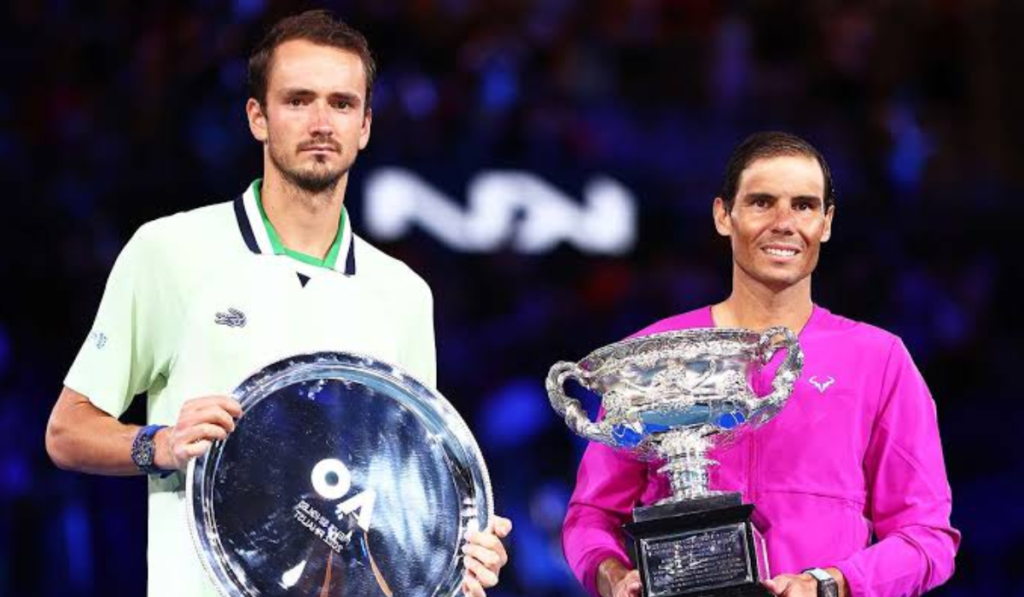
Rafael Nadal captured his first Australian Open championship in 2009 after defeating Federer in a five-set final. More than a decade later, he produced another extraordinary comeback to win the 2022 title against Daniil Medvedev. The Spanish legend recovered from two sets down and completed a five-hour, 24-minute battle to claim the trophy. The comeback became a major example of his resilience. His two Australian Open victories also helped confirm his ability to remain competitive across generations and adapt his tennis as his career progressed.
US Open Achievements
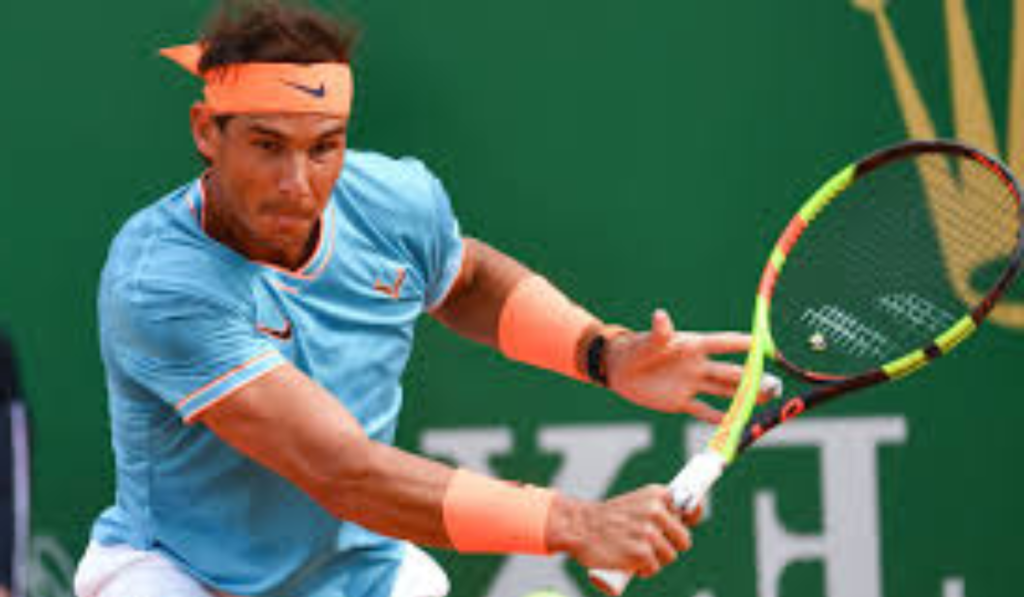
The US Open provided another important stage for Rafael Nadal’s career. He won the New York tournament in 2010, 2013, 2017, and 2019. The 2010 victory was especially significant because it completed his Career Grand Slam. His success at the tournament showed how his game had developed on hard courts, where physical intensity, return quality, and baseline pressure were essential. Each championship came in a different stage of his career, demonstrating that he could adjust his approach while maintaining the competitive qualities that defined him.
Olympic Gold Medals
Rafael Nadal achieved Olympic success in both singles and doubles. At the 2008 Beijing Olympics, he won the singles gold medal, adding another major honor to his rapidly growing career. In 2016, he partnered with Marc López to win the doubles gold medal at the Rio Olympics. These victories made his international résumé even more impressive. Olympic tennis carries a special significance because athletes compete not only for individual achievement but also for national pride. Nadal’s performances for Spain became an important part of his sporting identity.
Davis Cup and National Pride
Representing Spain was a meaningful part of Rafael Nadal’s career. He contributed to several Davis Cup victories and became a trusted figure whenever he played for his country. Spain won the Davis Cup multiple times during his era, and Nadal’s determination in team competition reflected his broader commitment to national representation. His final professional appearance came for Spain at the 2024 Davis Cup Finals in Málaga. Although the result did not provide the ending he might have wanted, competing for his country offered an appropriate conclusion to his professional journey.
Rivalry With Roger Federer
The rivalry between Rafael Nadal and Roger Federer became one of the defining stories of modern tennis. Their contrasting styles created fascinating matches, with Nadal’s heavy topspin and physical defense challenging Federer’s fluid attacking game. They met in Grand Slam finals and other major events, producing memorable battles at Wimbledon, Roland Garros, and the Australian Open. Beyond competition, their mutual respect became an important part of their relationship. Their rivalry helped attract new audiences to tennis and became a central chapter in the sport’s celebrated Big Three era.
Rivalry With Novak Djokovic
The rivalry involving Rafael Nadal and Novak Djokovic was another cornerstone of his career. Djokovic’s exceptional returning and defensive skills created demanding tactical battles, while Nadal relied on his left-handed forehand and ability to construct long points. Their matches took place across all major surfaces and in numerous high-stakes tournaments. Their competition pushed both players to improve. Alongside Federer, they helped define an era in which Grand Slam records, ranking milestones, and historic matchups became regular features of professional tennis.
Mental Strength and Competitive Mindset
Mental strength was one of Rafael Nadal’s most admired qualities. He developed a reputation for remaining focused during long matches, difficult momentum shifts, and physically demanding contests. His routines before points, intense concentration, and refusal to surrender became recognizable elements of his playing identity. Instead of relying only on natural talent, he emphasized preparation and effort. This mindset helped him recover from setbacks and injuries throughout his career. For many athletes, his example demonstrated that competitive success can depend as much on discipline and resilience as on technical ability.
Playing Style and Signature Strengths
Rafael Nadal built his game around a powerful left-handed forehand, heavy topspin, exceptional movement, and strong defensive instincts. His two-handed backhand allowed him to absorb pace and redirect difficult shots. He also developed a reliable serve and improved his ability to attack shorter balls as his career evolved. His movement around the baseline was particularly effective because he could turn defense into offense within a few shots. This combination made him difficult to break down and allowed him to compete successfully against players with very different styles.
Injuries and Career Challenges
Injuries were among the biggest challenges Rafael Nadal faced. Problems involving his knees, foot, abdominal area, hip, and other parts of his body repeatedly interrupted his seasons. Despite these setbacks, he often returned to competition and produced major victories after long periods away. His ability to manage physical limitations became an important part of his later career. Instead of defining his story only through injuries, his comeback performances highlighted his determination. His final years were more restricted, but he continued trying to compete at the highest level whenever his body allowed.
Retirement From Professional Tennis
Rafael Nadal announced in October 2024 that he would retire after the Davis Cup Finals. He played his final professional match on November 19, 2024, ending a career that included 92 titles, 22 Grand Slam trophies, more than 1,000 wins, and 209 weeks at world No. 1. His retirement marked the end of a remarkable era. Rather than leaving after a final Grand Slam victory, he chose to finish while representing Spain. The decision reflected the importance he placed on family, country, and accepting the realities of professional sport.
Life After Retirement
After retirement, the Spanish legend has remained closely connected to tennis while focusing more attention on family and projects outside competition. ATP Tour coverage in 2026 described his life as being centered increasingly on his children, family, academy, and other responsibilities. He has also continued to appear around major tennis events and support the development of younger players. Retirement changed the role he plays in the sport rather than removing him from it. His experience now allows him to influence tennis through education, mentorship, and public appearances.
Rafa Nadal Academy
The Rafa Nadal Academy in Mallorca reflects Rafael Nadal’s commitment to developing future athletes. The academy combines tennis training with education and aims to help young players build skills on and off the court. It has become an important part of his post-playing career. The facility also preserves elements of his sporting history through its museum and public spaces. By investing in young athletes, Nadal has created a pathway for his influence to continue beyond his own competitive career and into future generations of tennis.
Philanthropy and Social Impact
The Rafa Nadal Foundation is another important part of Rafael Nadal’s legacy. The organization focuses on helping children and young people through education, sport, and social development programs. Its work reflects the belief that sport can provide opportunities and strengthen personal confidence. Nadal’s charitable efforts complement his tennis achievements by showing a commitment to broader community impact. His foundation and related projects have helped extend his public role beyond competition. This side of his career is especially meaningful because it connects sporting success with opportunities for young people.
Personal Life and Family
Rafael Nadal married María Francisca Perelló in 2019 after a long relationship. The couple has built a relatively private family life away from much of the media attention surrounding professional sports. They have children and have spoken about the importance of family during Nadal’s transition away from competition. In recent years, he has emphasized that his priorities have changed after retirement. Family now occupies a central place in his daily life, giving him a new perspective after decades in which professional tennis demanded most of his time and attention.
Career Statistics and Records
Rafael Nadal finished his professional career with 92 tour-level titles and 22 Grand Slam singles championships. He spent 209 weeks as world No. 1 and recorded more than 1,000 career match victories. His 14 French Open titles remain a defining record at a single Grand Slam event. He also won two Olympic gold medals and helped Spain achieve Davis Cup success. These numbers demonstrate the breadth of his career. They also show why his legacy extends beyond one surface, one tournament, or one generation of tennis players.
Influence on Modern Tennis
Rafael Nadal influenced modern tennis through his style, professionalism, and approach to competition. Young players have studied his forehand, movement, physical preparation, and mental discipline. His rivalry with Federer and Djokovic also helped raise global interest in the sport. Players from later generations have frequently spoken about the inspiration provided by his career. His influence can therefore be measured not only by trophies but also by the standards he helped establish. The combination of elite performance and humility made his example especially powerful for aspiring athletes.
Legacy Among Tennis Greats
Rafael Nadal is widely regarded as one of the greatest tennis players ever. His 22 Grand Slam titles, 14 French Open championships, Career Grand Slam, Olympic gold medals, and long reign at No. 1 provide a remarkable statistical foundation for that reputation. Yet his legacy is also emotional. Fans remember his dramatic comebacks, intense celebrations, respectful conduct, and willingness to fight for every point. His career helped define the Big Three era and left an enduring mark on tennis history. Future generations will continue comparing their achievements with the standard he established.
Lessons From His Career
The career of Rafael Nadal offers lessons that extend beyond tennis. His story emphasizes consistency, preparation, humility, patience, and the ability to recover from setbacks. He demonstrated that success is rarely created by one spectacular moment; it usually comes from repeating demanding habits over many years. His response to injuries also showed the value of adapting expectations without abandoning ambition. For young athletes, his journey illustrates how discipline can transform talent into sustained excellence. For fans, it offers a reminder that character can become as memorable as competitive achievement.
Why Fans Continue to Admire Him
Fans continue to admire Rafael Nadal because his career combined extraordinary results with an approachable public image. He was known for thanking opponents, respecting tournaments, and acknowledging the support of spectators. His emotional celebrations often revealed how much victories meant to him. At the same time, he rarely presented success as something achieved alone, frequently crediting family, coaches, teammates, and supporters. That balance between intense competition and humility helped create a lasting connection with audiences around the world and made his retirement an emotional moment for tennis followers.
Future Influence on Tennis
The influence of Rafael Nadal is likely to continue through the academy, foundation, younger players, and the memories created during his career. His approach to training and competition has already become part of tennis culture. As new champions emerge, comparisons with his achievements will remain common, especially at Roland Garros. His presence at major events also gives him an opportunity to support the next generation without the physical demands of professional competition. In this way, retirement represents a transition from active competitor to mentor, ambassador, and enduring symbol of excellence.
Final Thoughts
Rafael Nadal left professional tennis with a legacy built on 22 Grand Slam titles, 92 tour-level trophies, Olympic gold medals, and countless memorable matches. His career was shaped by extraordinary victories but also by injuries, comebacks, rivalries, family support, and personal discipline. His story remains relevant because it demonstrates how persistence can turn difficult circumstances into lasting achievement. Readers who want additional background can explore the related Wikipedia page for Rafael Nadal.
FAQs
1. When did Rafael Nadal retire? – He retired from professional tennis in November 2024 after the Davis Cup Finals.
2. How many Grand Slam titles did Rafael Nadal win? – He won 22 Grand Slam singles titles.
3. How many French Open titles did Rafael Nadal win? – He won a record 14 French Open singles championships.
4. How many Olympic gold medals did Rafael Nadal win? – He won two Olympic gold medals, one in singles and one in doubles.
5. What is Rafael Nadal doing after retirement? – He is focusing on family, the Rafa Nadal Academy, foundation work, and other tennis-related activities.